
Cordia myxa
Cordia myxa L.
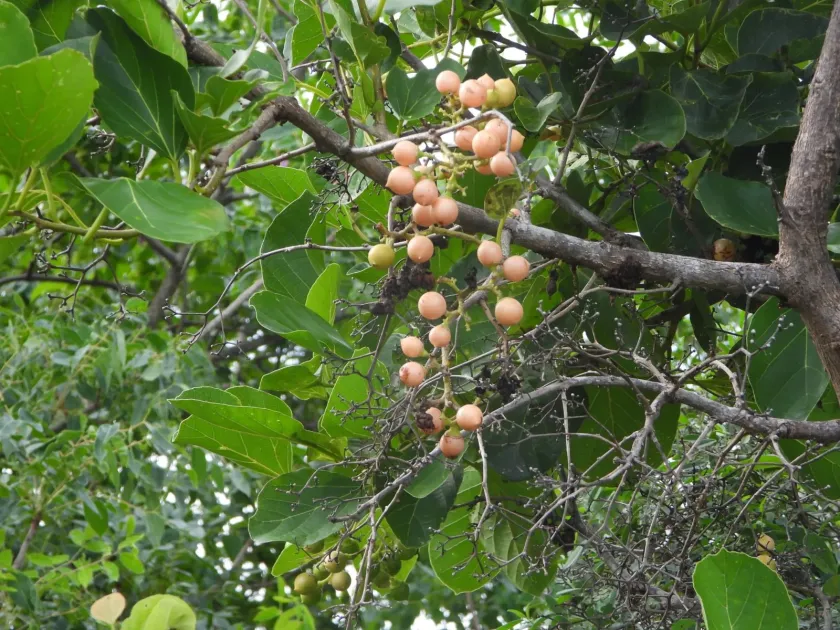
Description
Sowing dates
Propagation of Cordia myxa is primarily achieved through seeds extracted from ripe fruits. To enhance germination, seeds should be soaked in warm water to soften the outer shell before planting.
The optimal time for sowing is during the spring season when soil temperatures remain consistently above 20°C. Seeds are placed at a depth of 2-3 centimeters in well-drained, fertile soil.
Vegetative propagation using semi-hardwood cuttings is a reliable method for maintaining specific cultivar traits. Cuttings must be treated with rooting hormones to ensure successful development of the root system.
Seedlings usually emerge within 3 to 4 weeks under controlled humidity and temperature. During this initial stage, young plants require shade to prevent heat stress and desiccation.
Transplanting to the final site is carried out when the plants reach a height of at least 50-70 centimeters, preferably at the onset of the rainy season for better establishment.
Growing requirements
Cordia myxa belongs to the Boraginaceae family and thrives in tropical and subtropical regions. The tree is well-adapted to warm climates but is strictly intolerant of frost and freezing temperatures.
While mature trees exhibit significant drought tolerance, consistent moisture is essential during the early stages of growth and the fruit development period to ensure high-quality yields.
The preferred soil type for this species is a deep, fertile loam with a neutral to slightly alkaline pH. Proper drainage is mandatory to prevent root rot in environments with heavy rainfall.
This tree is highly photophilous and requires full sun exposure to maintain a dense canopy and promote optimal fruit production. Lack of sunlight results in sparse foliage and poor harvests.
Regular organic fertilization during the growing season helps sustain tree vigor and improves overall resistance to various environmental stresses common in tropical plantations.
Yield
The primary agricultural value of Cordia myxa lies in its fruits, which are prized for their mucilaginous pulp. The fruits are widely utilized in traditional medicine and as a thickening agent.
Commercial fruit production typically begins 4 to 6 years after planting, with the maximum yield capacity reached when the tree matures between 10 and 15 years of age.
The wood of Cordia is valued in local carpentry for its moderate density, ease of workability, and resistance to warping. It is commonly used for manufacturing furniture and small household items.
Leaves and bark contain diverse bioactive compounds that are increasingly relevant to the pharmaceutical industry. Furthermore, leaves serve as a valuable forage resource for livestock.
By integrating the production of fruits, wood, and medicinal raw materials, farmers can maximize the economic return of Cordia plantations throughout the tree's lifespan.
Main diseases and pests
Fungal leaf spot is a common issue during periods of high humidity and rainfall. Integrated pest management, including the use of copper-based fungicides, is recommended to control these outbreaks.
Pests such as aphids and mealybugs often target young leaves and shoots. Routine inspections are necessary to detect infestations early and prevent them from spreading across the entire plantation.
Root rot is the most serious threat, usually caused by stagnant water or compacted soil. Prevention focuses on improving soil aeration and adjusting irrigation schedules to ensure root health.
Defoliating caterpillars can occasionally cause significant damage to the canopy. Biological control methods, such as encouraging natural predators, are often effective in reducing these populations.
Maintaining a clean cultivation area around the base of the tree is a fundamental practice to reduce the prevalence of soil-borne pathogens and enhance overall tree health.
Harvesting
The harvest of Cordia fruits is conducted manually as they ripen, which is indicated by the skins turning deep yellow or brownish-black. Harvesting is often a multi-stage process due to uneven ripening.
Because ripe fruits tend to drop easily, growers often place protective nets beneath the trees to gather the produce. This method ensures that the fruits remain clean and free from soil contamination.
Fresh fruits have a short shelf life due to their high sugar and moisture content, necessitating rapid processing or drying. Proper drying allows for long-term storage and easier distribution.
After harvesting, fruits are sorted based on size and maturity level. Quality control is essential to remove any bruised or spoiled berries that could affect the quality of the batch.
- Visual quality assessment
- Cleaning from debris
- Grading by maturity
- Ventilated packaging
- Climate-controlled storage