
Cordia alliodora
Cordia alliodora (Ruiz & Pav.) Oken
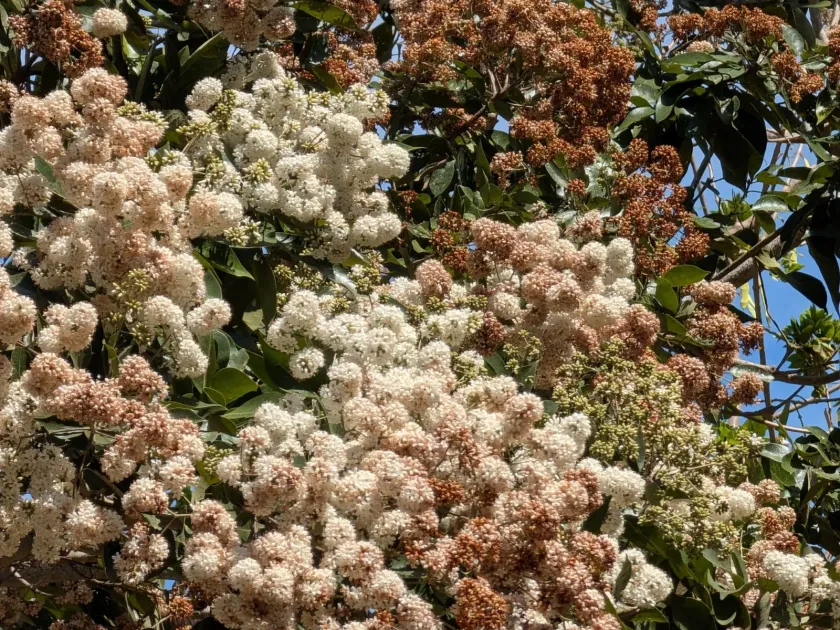
Description
Sowing dates
Cordia alliodora, a member of the Boraginaceae family, is a significant timber-producing species native to the tropical regions of the Americas.
Propagation is primarily carried out via seeds, which should be collected from healthy parent trees and sown immediately to ensure high viability.
In nursery settings, seeds are planted in individual containers with well-draining substrate to facilitate strong root development before outplanting.
The optimal time for field planting is the onset of the rainy season, which helps minimize initial transplant shock and promotes survival.
Standard silvicultural practices involve spacing trees at 3x3 meters to allow for canopy closure and promote long, straight, branch-free trunks.
Growing requirements
As a light-demanding species, Cordia alliodora requires full sun exposure to reach its maximum growth potential and biomass production.
The species thrives in well-drained, fertile soils but displays significant adaptability to various tropical soil types provided there is no waterlogging.
Climate requirements include annual rainfall between 1000 and 3000 mm, with a distinct dry season that aids in the formation of quality wood density.
Temperature range should ideally be maintained between 20°C and 30°C to ensure steady metabolic processes and rapid vertical growth.
Routine maintenance includes mechanical weeding around the base of the saplings and systematic pruning to enhance the commercial value of the future timber.
Yield
Yield rates vary depending on site quality, with mean annual increment often ranging from 10 to 20 cubic meters of wood per hectare per year.
Harvesting typically occurs when trees reach a rotation age of 15 to 25 years, depending on the desired stem diameter for industrial applications.
The wood is highly valued for its straight grain, moderate weight, and resistance to decay, making it a preferred choice for furniture and construction.
Cordia alliodora is frequently utilized in agroforestry systems, where it provides shade for crops like coffee while yielding high-value timber.
Strategic pruning of side branches during the growing phase significantly increases the percentage of knot-free timber recovered during the harvest.
Main diseases and pests
The primary biological threats include fungal leaf spots, which can cause significant defoliation and growth retardation in humid conditions.
Wood-boring insects represent a major concern, as their tunnels decrease the structural integrity and market value of the harvested timber.
Terminal bud damage caused by specific moths can lead to a multi-stemmed or crooked growth form, which is undesirable for lumber production.
Root rot pathogens, often exacerbated by poor soil drainage, can lead to localized mortality within dense plantation stands.
Integrated Pest Management (IPM) strategies, including monitoring and biological control, are essential to maintain plantation health and productivity.
Harvesting
Harvesting involves the selective logging of mature trees that have reached their target diameter, usually between 35 and 50 centimeters.
Modern logging techniques ensure the protection of the surrounding ecosystem, allowing for sustainable management practices within the forest.
Post-harvest treatment involves prompt logging and transport to storage facilities to prevent damage by termites and fungal decay.
The timber is renowned for its ease of working with hand and machine tools, as well as its excellent polishing properties for interior design.
Proper seasoning is critical after harvest to prevent checking and warping, ensuring the material meets international standards for quality timber.