
Rocket larkspur
Consolida ajacis (L.) Schur
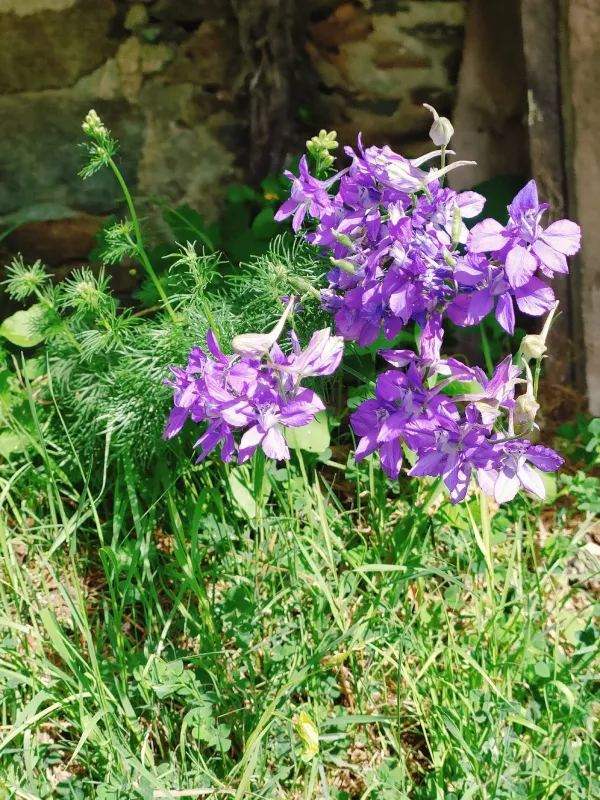
Description
Sowing dates
Rocket larkspur, scientifically known as Consolida ajacis, is a popular annual herbaceous plant in the Ranunculaceae family. It is typically propagated by seeds sown directly into the prepared garden soil, as the plant possesses a taproot that is highly sensitive to transplantation.
Sowing can be performed either in late autumn or early spring as soon as the soil can be worked. Seeds should be covered lightly with about 1–2 centimeters of soil, ensuring they remain in contact with moisture for successful germination.
Maintaining a row spacing of 25–30 centimeters is recommended to ensure adequate airflow around the plants. Proper spacing is essential to reduce the risk of foliage diseases, which are common in damp or crowded conditions.
The species is quite hardy, capable of tolerating light frost after emergence. For the best results, gardeners should choose sunny locations, as the plant requires full sun to achieve its maximum decorative potential and vigorous growth.
Thinning the seedlings is a critical step in the early stages of development. Maintaining an individual spacing of approximately 15–20 centimeters between plants allows for optimal root development and stable, upright stems.
Growing requirements
Rocket larkspur thrives in well-drained, fertile, loamy soils with a neutral or slightly alkaline pH. Drainage is the most important factor in site selection, as these plants are highly susceptible to root rot in waterlogged environments.
While the plant requires regular moisture to produce lush flowers, it is relatively drought-tolerant once established. Watering should be applied to the soil base rather than the flowers to minimize the risk of fungal infections.
Nutritional needs are met through balanced fertilization before the onset of the budding stage. Over-application of nitrogen-heavy fertilizers should be avoided to prevent excessive leafy growth that can weaken the flower spikes.
The climate requirements include a preference for moderate summer temperatures. In regions with extremely hot and humid summers, the blooming period may be shorter, requiring early spring planting to take advantage of cooler weather.
The plant features long, elegant flower spikes reaching up to 100 centimeters in height. In windy areas, providing a support system is necessary to prevent the heavy stalks from falling over or breaking during storms.
Main diseases and pests
Powdery mildew is the most frequent disease encountered in Rocket larkspur cultivation, identified by a white, flour-like growth on the leaves. It is best managed through improved air circulation and the use of preventative fungicides.
Root rot, often caused by poor drainage or overwatering, can rapidly kill individual plants. Avoiding overly compacted soils and ensuring efficient water drainage are the primary methods for preventing this issue.
Pests such as aphids and spider mites can colonize the foliage during hot, dry spells. Regular inspection is recommended, and the application of mild, organic insecticides or insecticidal soaps can effectively control these populations.
Slugs and snails may present a problem for young, tender seedlings in the spring. Implementing physical barriers, such as crushed eggshells or copper tape, can deter these pests from consuming the growing plants.
Practicing good crop rotation helps to prevent the buildup of soil-borne pathogens. Avoid planting Rocket larkspur in areas where other members of the Ranunculaceae family have recently been grown to maintain overall soil health.