
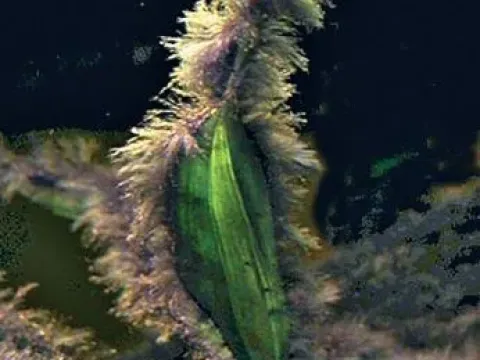
Compsopogon
Compsopogon
Compsopogon is a genus of macroscopic red algae belonging to the family Compsopogonaceae. Unlike most rhodophytes, which are marine-based, this organism is widely recognized for its adaptation to freshwater and brackish environments.
What the section contains

Compsopogon
Botanically, it consists of a branched thallus that features a central axis covered by a layer of small cortical cells. This structure provides mechanical strength, allowing the algae to survive in turbulent water flows.
The organism thrives in warm climates with optimal temperatures between 20°C and 30°C. It is typically found in rivers, streams, and irrigation canals where the water is well-oxygenated and rich in mineral nutrients.
Soil and fertilizer runoff into water bodies significantly impacts the growth rate of this species. High levels of nitrogen and phosphorus serve as primary nutrients, often leading to excessive blooms in agricultural zones.
The adaptability of Compsopogon allows it to colonize diverse substrates, including submerged rocks, concrete structures, and even other aquatic plants, making it a challenging species to manage in managed water systems.
The primary concern regarding this algae is its role as a nuisance in agricultural infrastructure. By clogging irrigation canals, it restricts water flow, leading to inefficiencies in crop irrigation systems.
In aquaculture, Compsopogon creates technical complications by obstructing water intake screens and filtration systems. This requires frequent labor-intensive maintenance to ensure continuous operation.
Management strategies focus on nutrient limitation. Reducing the runoff of fertilizers from surrounding agricultural land is the most effective long-term approach to preventing excessive proliferation.
Mechanical harvesting is currently the most practical method for removal. However, because the algae can regenerate from small fragments, complete removal from the water column is essential for effective control.
While chemical treatments are occasionally used, the algae's resistance to many standard algicides often limits their efficacy. Ongoing research focuses on sustainable methods to maintain ecological balance in affected aquatic habitats.