
Virginia dayflower
Commelina virginica L.
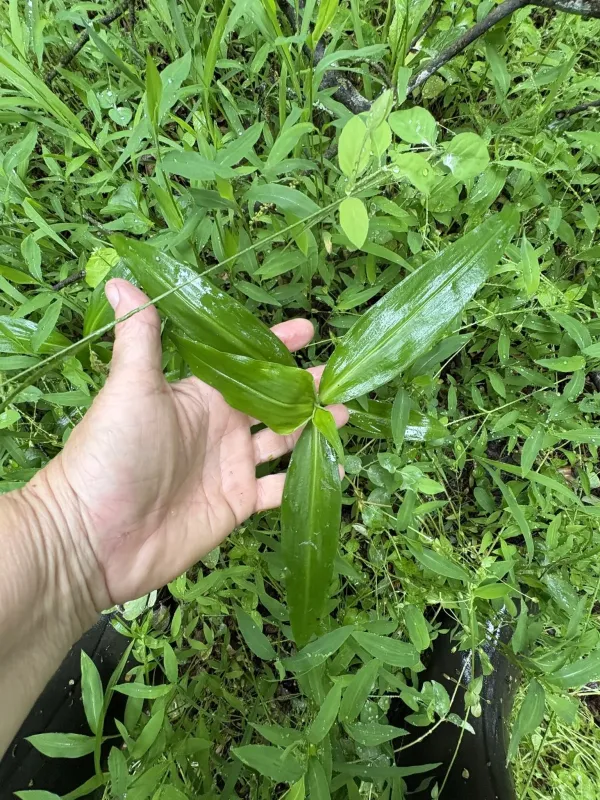
Description
Sowing dates
The sowing of Commelina virginica seeds is best performed in the spring, once the soil has warmed up sufficiently to support germination.
For indoor propagation, start seeds in seed trays during late winter or early spring using a well-draining, sterile potting mix.
Maintain consistent moisture and temperatures around 20 degrees Celsius. Seeds generally germinate within two to three weeks under these conditions.
When sowing directly into the garden, ensure the soil surface is fine and free of debris. Press the seeds gently into the soil surface as they require some light for germination.
Thinning the seedlings is crucial to ensure that each plant has enough space to develop its characteristic branching habit effectively.
Growing requirements
Commelina virginica is a hardy herbaceous perennial native to North America, belonging to the Commelinaceae plant family.
The plant thrives in moist, fertile soils that are rich in organic matter. It performs exceptionally well in areas with consistent moisture levels, such as near water gardens.
It prefers full sun exposure to maintain its vigorous growth and vibrant floral production, though it can tolerate light shade during the hottest part of the day.
Consistent irrigation is required, especially during periods of low rainfall, as the plant is not drought-tolerant and will wilt quickly in dry conditions.
Morphologically, it features alternate, lance-shaped leaves and distinct, terminal inflorescences with characteristic blue flowers that open for a single day.
Main diseases and pests
Slugs and snails are the most common pests, often feeding on the tender young leaves, which can severely impact the plant's aesthetic value.
Powdery mildew may occur when humidity is high and airflow between plants is restricted, manifesting as a white fungal growth on foliage.
Root rot is a major risk if the plants are situated in heavy, waterlogged soils. Ensuring good drainage is the primary defense against this condition.
Aphids can occasionally cluster on the flower buds, causing deformation and reducing the overall quality of the bloom cycle during the peak season.
- Monitor for pest activity regularly.
- Prune back dead foliage in autumn.
- Maintain weed-free planting beds.