
Asiatic dayflower
Commelina communis L.
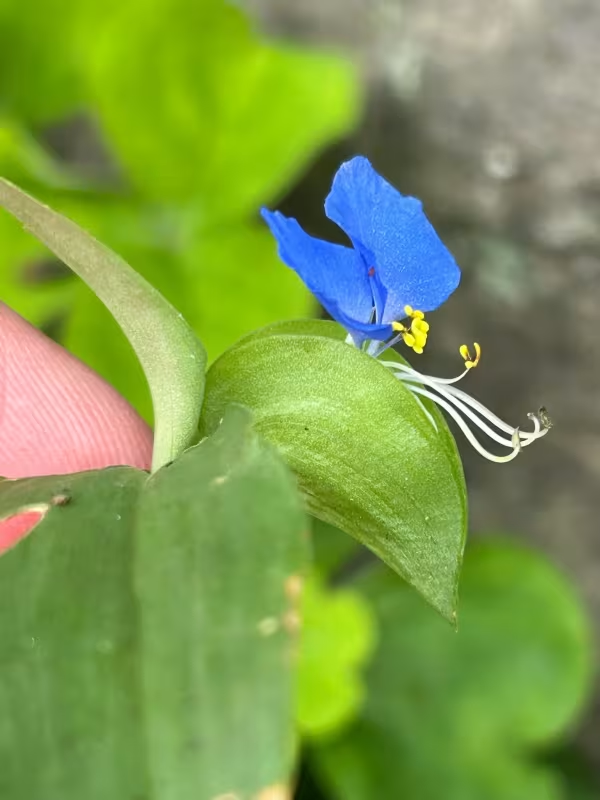
Description
Sowing dates
Commelina communis, commonly known as the Asiatic dayflower, is an annual herbaceous plant belonging to the Commelinaceae family. In temperate regions, direct seeding outdoors is best performed in May, once the soil has warmed sufficiently.
For earlier blooms, indoor seeding in late March is recommended. Seeds require a consistent temperature of around 20 degrees Celsius to ensure successful germination and healthy initial growth.
Seeds should be sown at a shallow depth of about 0.5 to 1 centimeter. Maintaining adequate soil moisture is critical, as the small seeds are highly sensitive to desiccation during the germination phase.
Transplanting seedlings should be done carefully once the first true leaves have developed. This process encourages better root development and prepares the plant for robust growth in the garden.
A planting density of 20 by 30 centimeters is ideal for allowing proper air circulation, which helps prevent fungal issues in the dense foliage of the plant during the summer months.
Growing requirements
The Asiatic dayflower thrives in sunny locations but is quite adaptable to partial shade. Exposure to light is essential for the plant to maintain the intensity of its distinct blue petals.
The plant requires fertile, well-draining soil with a neutral to slightly acidic pH. It performs exceptionally well in locations that remain consistently moist throughout the growing season.
Regular irrigation is a fundamental requirement for optimal growth. Commelina communis does not tolerate prolonged droughts well, so supplemental watering is necessary during dry spells.
Routine fertilization with balanced nutrients supports consistent blooming. Applying a water-soluble fertilizer every month helps maintain the plant's vitality and floral production.
- High moisture requirements throughout the season.
- Preference for rich, loamy soil textures.
- Need for consistent light exposure.
- Sensitivity to extreme heat and lack of water.
Yield
The Asiatic dayflower is utilized in various regions for both medicinal and edible purposes. In some Asian countries, the young leaves and shoots are harvested for use as cooked leafy greens.
The biomass yield is significantly influenced by soil nutrition and the availability of water. With proper management, the plant provides a continuous supply of vegetative material.
Medicinal applications of the plant rely on the harvest of the aerial parts during the flowering stage, when the concentration of bioactive flavonoids is at its peak level.
Seed production is prolific, though harvesting can be challenging due to the plant's natural tendency to self-sow when the seed capsules mature and split open.
For agricultural or herbal commercial use, precise timing of the harvest is essential to ensure the highest quality of the final product and to minimize post-harvest losses.
Main diseases and pests
Slugs and snails are the most common pests, as they feed on the soft, succulent foliage, especially in humid environments where the plant forms dense mats on the ground.
Aphids can occasionally colonize the soft tips of new shoots, leading to stunted growth and the curling of leaves. Early detection and treatment are necessary to manage such outbreaks.
Root rot, often caused by overwatering or poor soil drainage, represents the most significant pathological threat to the health of the Commelina communis crop.
Powdery mildew may occur if the plants are crowded and air circulation is insufficient, manifesting as a white, dusty growth on the leaf surfaces that reduces photosynthesis.
Effective management involves maintaining adequate spacing, ensuring good drainage, and monitoring the plants regularly for any early signs of pest or disease infestation.
Harvesting
Harvesting for medicinal purposes should take place when the plants are in full bloom, ensuring the highest level of secondary metabolites is captured in the foliage.
Culinary harvest should be restricted to the very tender, young tips of the shoots, which should be collected before the flowers have fully opened to ensure texture quality.
Seed harvesting requires diligence, as the capsules mature unevenly. Collecting them in multiple stages is necessary to prevent significant loss to the soil bank.
The harvested material must be dried in a shaded, well-ventilated area to preserve the plant's delicate biochemical properties and prevent the onset of mold.
Once dried, the product should be stored in a cool, dry, and dark environment to maintain its quality and shelf life until it is ready for further processing or use.