
Colocasia affinis
Colocasia affinis
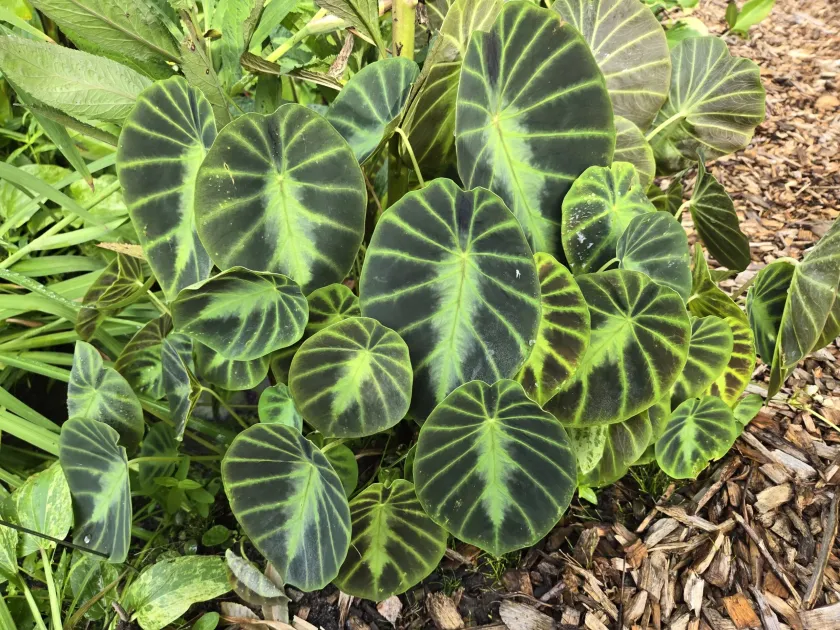
Description
Growing requirements
Colocasia affinis is a herbaceous perennial belonging to the Araceae family. This species is highly regarded by enthusiasts for its unique leaf morphology and compact size compared to other members of the genus, making it an excellent choice for collections.
The native range of this plant encompasses the humid tropical regions of Southeast Asia, specifically parts of India and China. In these natural habitats, the plant thrives in the shade provided by forest canopies, which dictates its need for filtered light in cultivation.
Optimal growth requires a loose, well-draining substrate rich in organic matter. Maintaining a consistent level of soil moisture is essential; however, it is critical to avoid waterlogging, which can cause the tubers to rot during periods of low light or cooler temperatures.
This species requires high ambient humidity to remain healthy. When grown indoors, it is advisable to use pebble trays with water or mechanical humidifiers to replicate the moist conditions of its natural tropical origin throughout the growing season.
Temperature management is crucial as Colocasia affinis is sensitive to cold. Ideally, the environment should be maintained between 20°C and 28°C. Exposure to temperatures below 15°C should be strictly avoided to prevent dormancy or plant tissue damage.
Main diseases and pests
Fungal infections are the most frequent health issues affecting this crop. They are primarily driven by improper watering practices, such as excessive soil moisture coupled with poor air circulation, which creates an environment conducive to root and tuber rot.
Pests such as spider mites and mealybugs are major concerns, especially in environments where humidity is not properly controlled. Spider mites thrive in dry conditions and can quickly cause widespread damage if not addressed by immediate moisture management.
Viral pathogens may also pose a risk, appearing as mosaic patterns or necrotic lesions on the leaves. Once a plant is infected with a virus, there is no chemical cure; therefore, removing and disposing of the infected plant is the standard agronomic procedure.
Nutrient deficiencies, specifically nitrogen or iron, can manifest as yellowing of leaves. A balanced liquid fertilizer applied during the peak growth season is usually sufficient to maintain the vigor and deep green color of the foliage.
Preventative care is the best strategy for maintaining plant health. This includes regular inspection of the leaf underside, ensuring adequate space between plants to improve airflow, and using sterile potting media to prevent the introduction of soil-borne pathogens.