
Coleochaete
Coleochaete
Coleochaete is a genus of freshwater charophyte algae that holds significant evolutionary interest as one of the closest relatives to land plants. While not an agricultural crop, it is a subject of intense scientific study regarding the origin of plant multicellularity.
What the section contains
Coleochaete
These algae are found in various freshwater habitats, including ponds, lakes, and streams. They typically grow as epiphytes attached to submerged rocks or aquatic vegetation, where they remain fixed throughout their lifecycle.
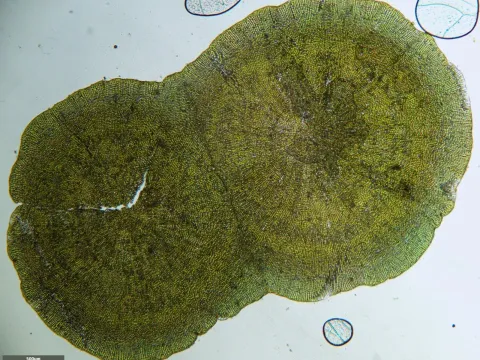
The morphology of Coleochaete varies from prostrate, disk-like forms to complex branched filaments. They are distinguished by unique hair-like structures (setae) which are surrounded by a cytoplasmic sheath, serving as a defensive mechanism against herbivores.
Environmental requirements include clean, oxygenated, and clear water. Because they are photosynthetic, they require adequate light penetration to flourish and will decline rapidly in turbid or highly eutrophic waters.
In research facilities, cultivation is managed in controlled environments using standardized nutrient media. Maintaining consistent light levels and low temperatures is essential to simulate their natural seasonal growth patterns effectively.
The main threats to these algae include water pollution and the rapid spread of invasive planktonic species. High levels of nitrogen and phosphorus cause algal blooms that severely block necessary sunlight.
Parasitic organisms and various aquatic pathogens also present a risk to the health of the colonies, particularly when the equilibrium of the water chemistry is disrupted by external environmental factors.