
Cola nitida
Cola nitida (Vent.) Schott & Endl.
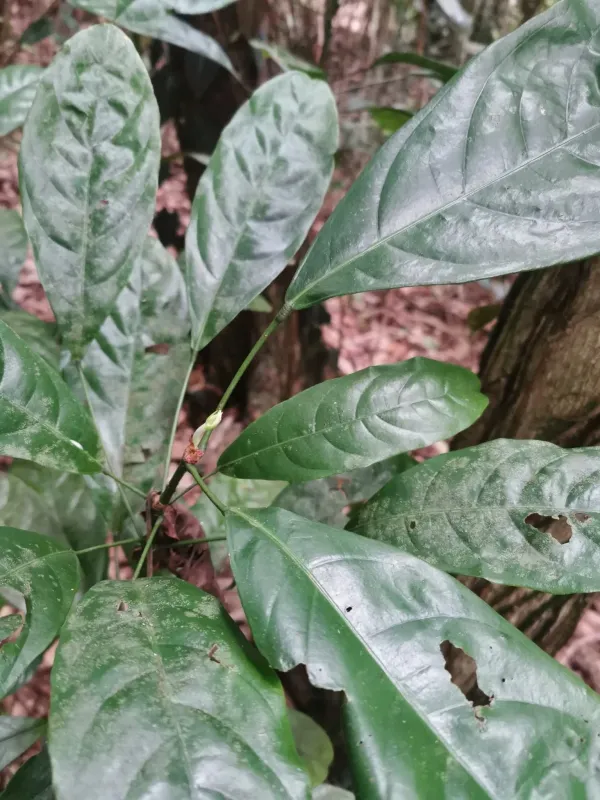
Description
Growing requirements
Cola nitida, commonly known as the kola nut tree, is a tropical evergreen species belonging to the Malvaceae family. It naturally grows in humid rainforest regions, requiring warm temperatures and high humidity to thrive and reach its full height of up to 20 meters.
The crop demands deep, fertile, and well-drained soils to support its extensive root system. It is particularly sensitive to waterlogging, making proper soil structure and drainage management essential for plantation success in tropical climates.
Young plants require consistent shade to protect them from direct, intense sunlight during the early growth stages. As they mature, they become more tolerant of sunlight, but maintaining a balanced microclimate remains crucial for photosynthesis and overall vigor.
Soil pH should ideally be in the slightly acidic to neutral range. Incorporating organic matter such as compost or mulching helps retain soil moisture and improves nutrient availability, which is vital for the tree's steady development and production of nuts.
Regular rainfall or supplemental irrigation is required in areas with distinct dry seasons. Maintaining adequate soil moisture levels prevents physiological stress, ensuring that the tree can dedicate resources to flowering and fruit development throughout the year.
Yield
The economic value of Cola nitida is derived from its seeds, which are rich in caffeine, theobromine, and kolanin. These nuts are harvested for their stimulating properties and are used globally in the beverage and pharmaceutical industries.
A well-managed tree begins to produce fruit within a few years of planting, reaching peak production levels as it enters maturity. Pruning practices are essential to manage tree shape, facilitate harvesting, and encourage high-quality yield.
The fruit of the cola tree consists of large follicles containing multiple seeds, protected by a fleshy outer husk. Yield quantities are influenced by environmental conditions, tree genetics, and the efficiency of pollination within the plantation area.
Harvesting is a labor-intensive process that requires skill to ensure that nuts are collected at the optimal stage of maturity. Proper post-harvest management, including cleaning and drying, is critical to preserve the chemical composition and market value of the nuts.
In many regions, Cola nitida is not just an industrial crop but a social staple. The trade of these nuts supports local economies, making it a sustainable and culturally significant agricultural commodity for smallholder farmers in West Africa and beyond.
Main diseases and pests
Fungal diseases, particularly those affecting the roots and stems, represent a major threat to Cola nitida plantations. Good canopy management, which improves airflow, is an effective way to minimize the risk of infection in dense orchard environments.
Various insect pests, including borers and leaf-eating caterpillars, can impact the growth and yield of the trees. Integrated pest management strategies, focusing on biological controls, are preferred to minimize reliance on synthetic chemical applications.
Mistletoe infestation is a common problem in older trees, where parasitic plants sap nutrients and reduce the host's vitality. Regular inspection and physical removal of these parasites are standard maintenance procedures for sustainable crop management.
Nematodes in the soil can damage the roots, leading to stunted growth or tree decline. Using healthy, disease-free nursery seedlings and rotating crops in adjacent areas are recommended strategies to prevent soil-borne pathogen accumulation.
Monitoring for signs of nutrient deficiency or stress is essential. A balanced nutrition program, focusing on essential macro and micronutrients, enhances the tree's natural resistance to pests and environmental stressors throughout its lifecycle.
Harvesting
Harvesting Cola nitida involves manually collecting ripe follicles from the tree when the husks begin to change color or show signs of maturity. This is typically done using climbing techniques or long-reach tools to avoid damaging the branches.
The ripening process often happens in phases, necessitating multiple visits to the orchard to collect the nuts as they reach optimal quality. Timely collection is crucial to prevent the pods from over-ripening and falling to the forest floor.
Once gathered, the pods are split open to reveal the seeds. The seeds are then carefully separated from the protective pulp, a process that must be carried out gently to avoid bruising or damaging the nut, which could lead to quality degradation.
After extraction, the nuts are often subjected to a curing or fermentation period to improve their flavor and storage characteristics. This step is followed by careful drying in well-ventilated, shaded areas to ensure that moisture content drops to safe levels.
Proper storage is the final key step in the harvest cycle. Nuts should be kept in cool, dry conditions with adequate ventilation to prevent mold growth, ensuring that the high-quality product remains shelf-stable for transport and commercial use.