
Coelorachis glandulosa
Coelorachis glandulosa
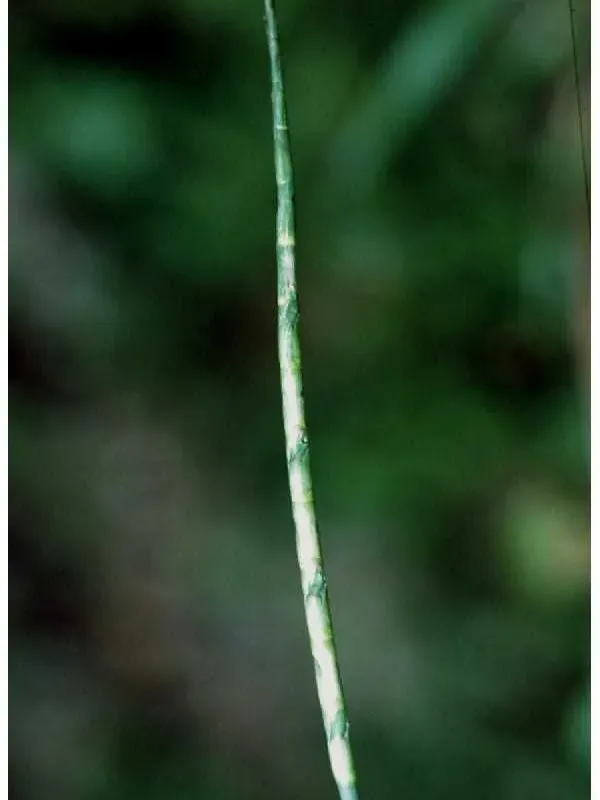
Description
Growing requirements
Coelorachis glandulosa is a perennial grass species belonging to the family Poaceae. It serves as a valuable forage resource, recognized for its robustness and ability to thrive in diverse environmental settings, particularly in tropical and subtropical regions.
This crop prefers well-drained, fertile soils with a moderate acidity level. It is highly adaptable to various soil types, provided there is sufficient moisture during the initial stages of establishment, which is critical for long-term productivity.
Climate requirements for optimal growth focus on warm temperatures and abundant sunlight. While the plant can withstand occasional dry spells due to its hardy root system, regular hydration significantly improves the quality and quantity of the biomass produced.
Botanically, the species is characterized by sturdy, upright stems and a deep-reaching root system. These structural features not only enhance its drought resistance but also contribute to soil stabilization, making it an excellent candidate for land reclamation projects.
Agronomic management requires careful site selection and the implementation of effective weed control protocols during the first growing season. Consistent soil testing and appropriate fertilization regimes are essential to maintain the vigor of the grass stands over several years.
Yield
The primary economic utility of Coelorachis glandulosa lies in its role as a high-quality forage plant for livestock. It provides a reliable source of nutrition, especially when harvested at the vegetative stage, which ensures higher digestibility and protein content for grazing animals.