
Coelachne pulchella
Coelachne pulchella
Description
Growing requirements
Coelachne pulchella is a perennial grass species belonging to the Poaceae family. It is recognized for its ability to thrive in wetland environments, making it a unique component of tropical grassland ecosystems in Asia and Africa.
The plant originates from regions characterized by high rainfall and swampy terrain. It thrives in soils rich in organic matter and is well-adapted to conditions of prolonged water saturation, which often limits the growth of other common agricultural grasses.
Agronomically, it requires a stable, humid microclimate. The plant prefers acidic to neutral pH levels and is highly sensitive to soil drainage, which acts as a limiting factor for its distribution in artificial cultivation settings.
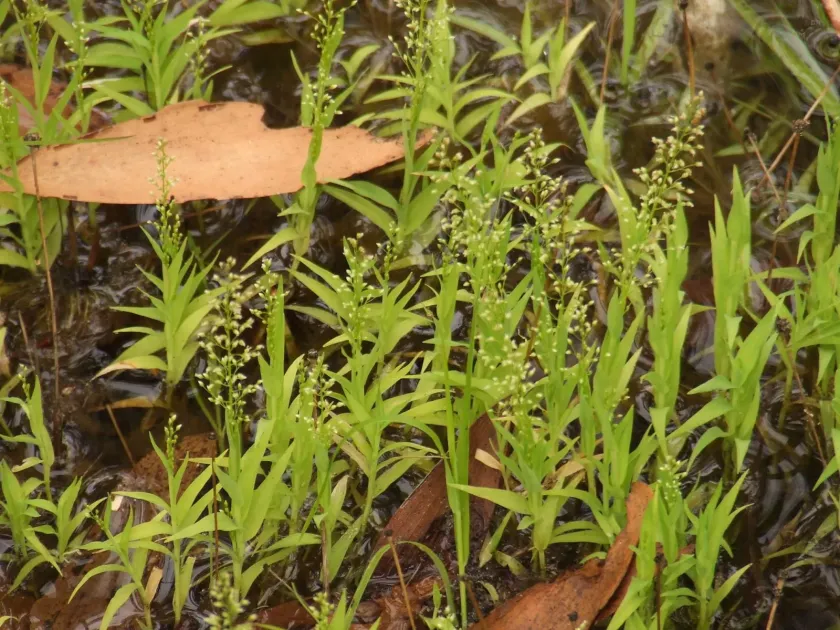
Botanically, it features slender stems and delicate leaf blades, forming low-lying tufts. Its reproductive strategy involves the production of small, sparse panicles, ensuring efficient dispersal in waterlogged habitats.
The primary agricultural utility of Coelachne pulchella lies in its forage quality. It provides highly palatable green biomass in regions where conventional crops struggle, serving as a reliable grazing resource for livestock in wetland-adjacent areas.
Main diseases and pests
The primary threat to the stability of Coelachne pulchella populations is land reclamation and drainage. Because the plant relies on a high water table, any intervention that reduces soil moisture leads to rapid decline and biomass loss.
Pests such as specialized leaf-chewing insects and dipteran miners can cause significant damage to the photosynthetic apparatus. Management of these pests requires careful monitoring, especially during the peak growth months in tropical climates.
Fungal diseases, including various leaf spot pathogens, are common in environments with stagnant air and high humidity. Proper field management, including the prevention of over-density, is essential to minimize the spread of these pathogens.
Invasive species competition represents a significant challenge for this crop. Stronger, taller sedges and other grasses often outcompete Coelachne pulchella for light and space if the meadow structure is not properly maintained.
Excessive grazing pressure without rotational rest periods can exhaust the plant's resources. Sustainable use of this grass requires careful observation of regrowth rates to ensure long-term productivity and stand health.