
Coelachne japonica
Coelachne japonica
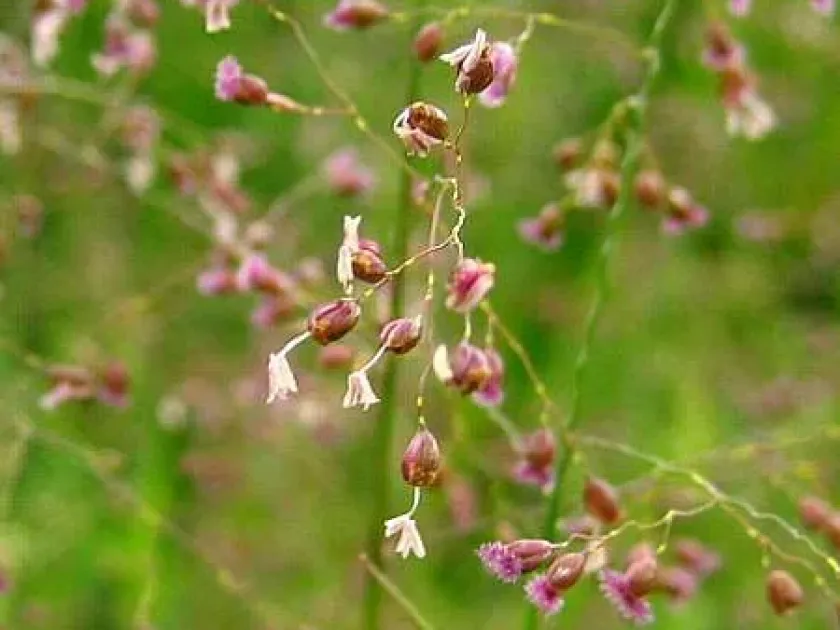
Description
Growing requirements
Coelachne japonica is a perennial herbaceous plant belonging to the grass family (Poaceae). It is primarily classified as a hydrophyte, thriving in saturated soil conditions, shallow wetlands, and marshy habitats typical of East Asian landscapes.
The plant exhibits delicate, slender stems that often form dense mats or clumps. Its narrow leaves are highly adapted to aquatic environments, allowing for efficient gas exchange and structural integrity under intermittent flooding conditions common in its native range.
Geographically, the species is native to East Asia, including Japan and China. It is highly dependent on climate conditions that provide high humidity and stable water levels, reflecting its evolutionary adaptation to monsoon-influenced hydrological cycles.
Soil requirements for optimal growth include high organic content, often found in silty or clay-heavy wetland soils. The plant requires constant moisture and is typically found near the edges of paddy fields, where it can benefit from managed water irrigation systems.
Regarding its utility, the plant serves as a vital component in riparian and wetland ecosystems. While not widely cultivated as a commercial crop, it is significant in agricultural research concerning the biodiversity of rice paddy environments and its potential role as a bio-filter.
Main diseases and pests
The most significant threat to Coelachne japonica is the disruption of its hydrological environment, specifically prolonged drying. As a hydrophyte, it lacks the physiological mechanisms to survive extended periods of water deficit in the root zone.
Fungal diseases are a constant risk, particularly in high-humidity areas where air circulation is restricted. Rusts and mildew can spread rapidly through dense patches of the grass, severely impacting plant health and reproductive success during the season.
Insect pests that target related grass species often inhabit areas where Coelachne japonica grows. These herbivores can cause significant damage to the biomass, particularly when environmental stress has already weakened the plant's natural defense systems.
Competition from more aggressive, invasive wetland species poses a structural threat to established populations. As water quality changes or nutrient levels fluctuate, the competitive balance of the plant community may shift, displacing this species.
Human activities, particularly the intensive use of herbicides and pesticides in surrounding agricultural areas, present a lethal danger. Chemical runoff can alter the micro-ecosystem, leading to the contamination of the substrate and hindering the growth of the species.