
Coccocypselum repens
Coccocypselum repens
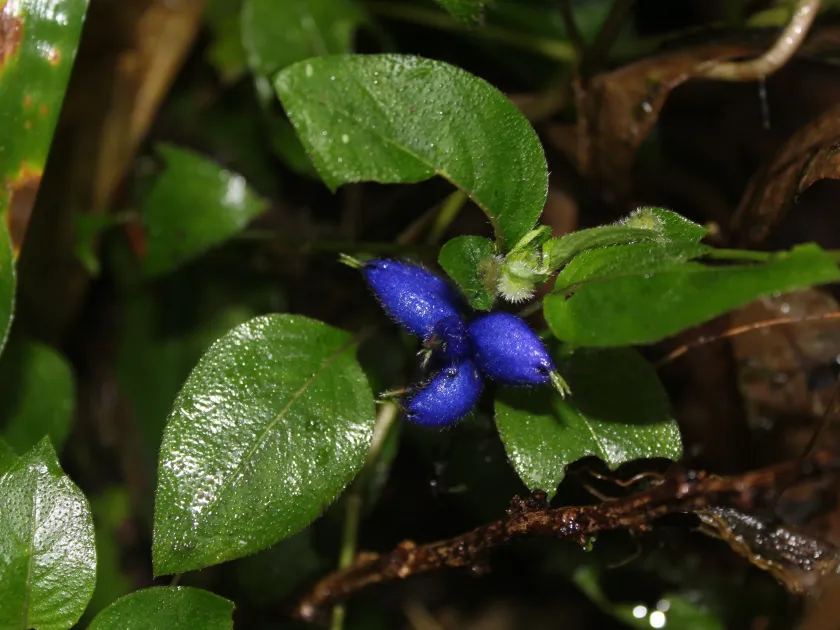
Description
Sowing dates
Coccocypselum repens is propagated through seeds or stem cuttings. For seed sowing, a light and porous substrate is essential to ensure proper oxygen exchange for the developing embryos during germination.
Seeds should be sown on the surface and kept in a high-humidity environment under bright, indirect light. Maintaining a steady temperature of 22–25 degrees Celsius significantly increases the germination rate.
Vegetative propagation via cuttings is the most common method in professional practice. Nodes are placed in a humid medium such as peat or vermiculite, where they develop roots within a few weeks.
Consistency in moisture levels during the propagation phase is vital. Using a propagation tray with a clear cover helps maintain the required humidity without the need for constant manual misting.
Once seedlings or cuttings have established a strong root system, they are ready for transplanting. Gradual acclimatization to the ambient environment is recommended before full relocation to the growing area.
Growing requirements
As a member of the Rubiaceae family, Coccocypselum repens prefers environments that mimic its natural tropical habitat. It thrives best in partial shade, where it is protected from intense midday solar radiation.
The soil should be acidic to neutral, well-draining, and rich in organic matter. A mixture of peat, pine bark, and perlite provides the ideal structural integrity for healthy root development.
Adequate humidity is perhaps the most critical factor for this species. It performs exceptionally well in terrariums or humid greenhouses where the air remains consistently moist throughout the day.
Temperature fluctuations should be minimized. While the plant can tolerate short periods of cooler temperatures, it performs best when kept between 18 and 28 degrees Celsius year-round.
Regular fertilization with a balanced liquid fertilizer, applied at half strength, supports the vigorous growth of the creeping stems. It is important to flush the soil periodically to prevent salt buildup.
Main diseases and pests
Spider mites are a common threat, especially in indoor environments with low humidity. Regular cleaning of the foliage and increasing atmospheric moisture are the primary cultural control methods.
Root rot is a frequent issue caused by excessive watering or poor drainage. Ensuring the substrate does not stay waterlogged is essential for maintaining the plant's health and vigor.
Mealybugs may infest the stem nodes and underside of leaves. Early detection is key; manual removal or the application of horticultural oil can effectively manage the infestation without harming the plant.
Fungal leaf spot diseases can develop if the foliage remains wet for prolonged periods without adequate airflow. Improving ventilation in the cultivation area is a recommended preventative measure.
Chlorosis, or yellowing of the leaves, is often a symptom of nutrient deficiency or incorrect soil pH. Testing the substrate and adjusting the fertilizer regimen usually restores the vibrant green color of the leaves.