
Coccocypselum lanceolatum
Coccocypselum lanceolatum
Description
Growing requirements
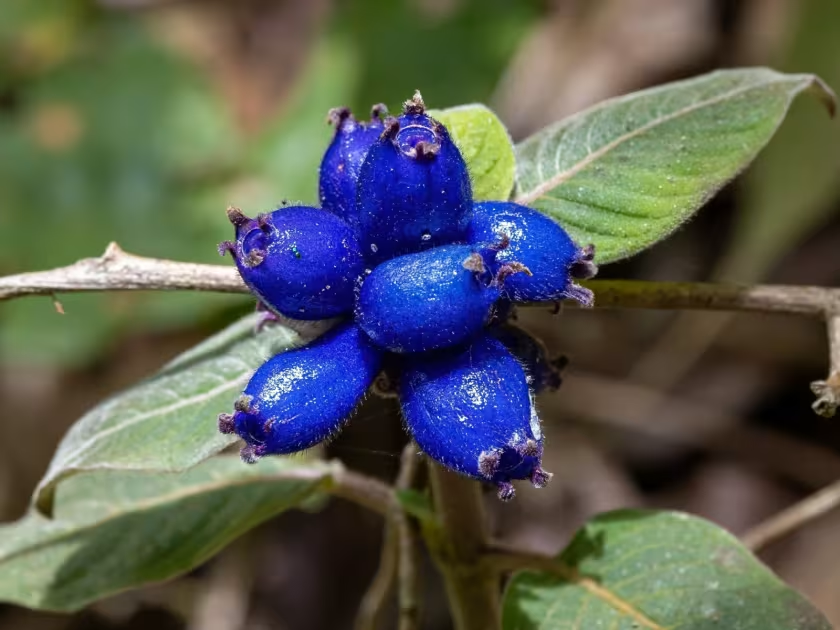
Coccocypselum lanceolatum is a distinctive species within the Rubiaceae family, known for its unique botanical structure. Native to tropical regions of the Americas, this plant thrives in environments that replicate the humid and shaded conditions of its natural rainforest habitat.
The plant requires a well-draining, nutrient-rich soil medium, ideally based on peat and organic humus. The pH level should be slightly acidic to ensure that the plant can efficiently absorb necessary micronutrients from the soil structure.
Climatic requirements focus on maintaining a stable temperature range between 20°C and 26°C. Any exposure to frost or temperatures below 15°C can cause irreversible damage to the vascular system of this tropical perennial, leading to rapid decline.
Light management is crucial for the health of Coccocypselum lanceolatum. It performs best in bright, indirect light, as direct sunlight can easily scorch the thin, lanceolate leaves, while insufficient light leads to sparse growth and reduced foliage density.
Hydration must be managed with extreme care. The substrate should be kept consistently moist but never waterlogged. Using high-quality, chlorine-free water at room temperature is recommended to maintain the long-term health of the root system.
Main diseases and pests
The primary pests affecting this species in indoor cultivation are spider mites and mealybugs. These organisms thrive in dry environments, emphasizing the need for consistent monitoring of ambient humidity levels to prevent major outbreaks.
Fungal pathogens such as root rot are a significant threat if the soil remains too wet for extended periods. Implementing a strict irrigation schedule and ensuring proper airflow around the base of the plant are the most effective management strategies.