
Coccocypselum guianense
Coccocypselum guianense
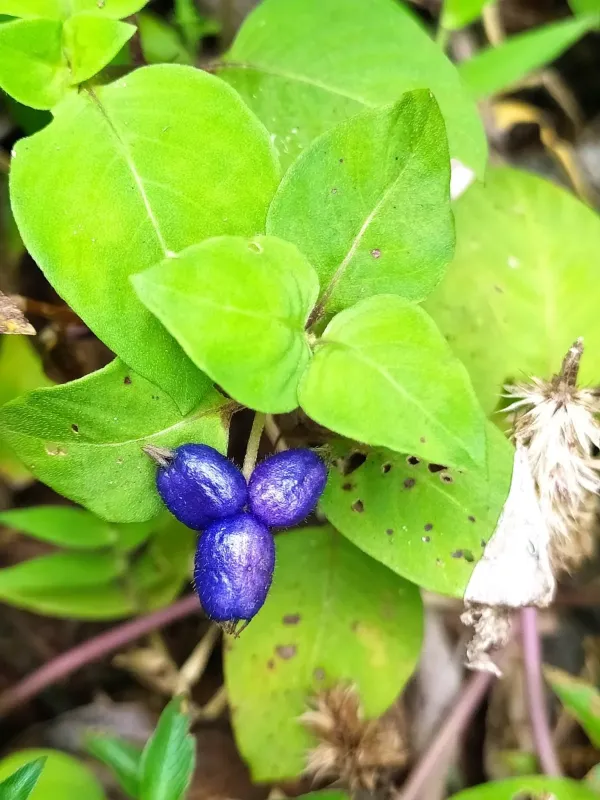
Description
Sowing dates
Propagation of Coccocypselum guianense is most effectively achieved through stem cuttings. The best time for this process is during the active growth phase in late spring, which ensures a higher success rate for rooting.
Seeds can be sown in a well-drained, peaty substrate. It is crucial to maintain high humidity and consistent temperatures between 22 and 25 degrees Celsius to encourage germination.
When starting from seeds, keep the container covered with plastic or glass to preserve moisture. Fresh seeds are recommended as viability often declines rapidly after harvest, which is common for many tropical Rubiaceae species.
Once seedlings have developed two sets of true leaves, they should be carefully transplanted into small pots. Handle the delicate root systems with extreme caution to avoid transplant shock.
Acclimatization to the final environment should be gradual. Avoid exposing young plants to intense light or dry air currents during the critical period of establishment.
Growing requirements
As a member of the Rubiaceae family, Coccocypselum guianense originates from the tropical rainforests of South America. It thrives in environments that replicate these natural, humid, and shaded conditions.
The ideal growing medium should be rich in organic matter, slightly acidic, and well-aerated. Good drainage is essential, as the roots are sensitive to waterlogging and may develop rot if left in saturated soil.
Optimal temperatures for this species range from 20 to 28 degrees Celsius. The plant should be protected from cold drafts and extreme temperature fluctuations, which can cause significant stress.
Indirect, filtered light is preferred. Direct sunlight, especially during midday, can scorch the foliage and damage the plant's aesthetic appeal, making shaded locations or northern windows ideal.
Consistent moisture is key; the soil should never be allowed to dry out completely. Regular misting of the leaves is highly beneficial, especially in indoor environments where heating systems reduce ambient humidity.
Main diseases and pests
The most common issues for this plant include fungal diseases like root rot, which are usually triggered by poor drainage or overwatering. Proper aeration of the root zone is the best preventative measure.
Pests such as spider mites and mealybugs can pose a threat, particularly if the plant is grown in low-humidity conditions. These pests thrive in dry air and can quickly weaken the plant if left unchecked.
Biological controls and manual removal are preferred over harsh chemical pesticides. If treatment is necessary, apply mild soaps or horticultural oils during the cooler parts of the day to avoid leaf burning.
Routine inspection of the leaf undersides is recommended to catch infestations in their early stages. Early detection significantly simplifies management and protects the overall health of the specimen.
Maintaining a clean growing area and promptly removing decaying organic debris will help prevent the spread of pathogens, ensuring the long-term vigor of your Coccocypselum guianense.