
Clowesia rosea
Clowesia rosea
Description
Growing requirements
Clowesia rosea is a distinct species within the Orchidaceae family, originating from the dry forests of Mexico. As an epiphytic plant, it has evolved to thrive in environments with seasonal fluctuations, characterized by distinct wet and dry periods throughout the year.
The cultural requirements for this plant focus on providing bright, filtered light and sufficient airflow. During the growing season, consistent moisture is necessary for the pseudobulbs to reach maturity, but the media must remain well-drained at all times to prevent root asphyxiation.
Choosing an appropriate substrate is vital for the health of Clowesia rosea. Growers often utilize a mix of fine bark, perlite, and New Zealand sphagnum moss to mimic the natural mossy bark environments where these orchids are found in the wild.
The dormancy phase is a critical aspect of this orchid's lifecycle. Once the leaves begin to yellow and drop, irrigation should be severely reduced or halted entirely. This rest period is essential to trigger the development of the pendulous inflorescences in the following season.
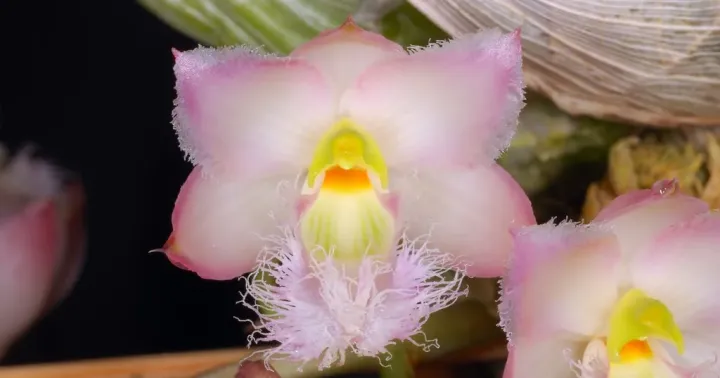
The primary economic use of Clowesia rosea is purely ornamental, as it is a prized specimen for specialized orchid collections. Its sweet-smelling, rose-colored flowers are highly regarded by botanists and hobbyists for their aesthetic value and complex structure.
Main diseases and pests
Typical pests include spider mites and scale insects, which often colonize the pseudobulbs. Integrated pest management using neem oil or specialized horticultural soaps is effective if infestations are detected early.
Root rot is the most common disease associated with overwatering during the dormant period or poor soil aeration. Maintaining a rigorous hygiene protocol and ensuring proper ventilation can significantly reduce the risk of fungal infections in the collection.