
Clivia miniata
Clivia miniata (Lindl.) Bosse
Description
Sowing dates
Clivia miniata is a perennial herbaceous plant belonging to the Amaryllidaceae family. The primary method of propagation is the vegetative division of offsets during the repotting process, which ensures the preservation of maternal traits.
Seed propagation is possible but slow, taking several years for the plant to reach maturity. Seeds are sown in a light, well-draining substrate and require consistent temperatures between 20 and 25 degrees Celsius for germination.
Division should ideally be performed after the flowering phase. The parent plant is carefully removed from its container, and the offsets are separated, ensuring each new segment has a portion of the root system attached.
For successful establishment, newly divided plants require a high-quality soil mixture, such as a combination of loamy soil, peat, and coarse sand, providing both structure and aeration for the sensitive fleshy roots.
Young plants should be repotted periodically to encourage growth, whereas mature Clivias prefer to be somewhat root-bound. Excessive space in the pot often delays the onset of the flowering cycle in mature specimens.
Growing requirements
Originating from the subtropical regions of South Africa, Clivia miniata requires specific environmental conditions to thrive. It prefers bright, indirect light; direct sunlight can lead to leaf scorch and reduced aesthetic value.
Temperature management is crucial, particularly during the winter dormancy period. A cool environment of 12–15 degrees Celsius is necessary to trigger the development of flower spikes for the following season.
Watering must be carefully regulated. During the active growth phase, keep the soil moist but never waterlogged. In winter, watering should be significantly reduced to allow the plant to enter a resting state.
The plant performs well in average room humidity levels. However, it is important to keep the leaves clean of dust to optimize photosynthesis. Avoid getting water into the center of the leaf rosette to prevent decay.
Fertilization should be limited to the active growing season. A balanced, water-soluble fertilizer applied at half-strength is sufficient to support healthy foliage and vibrant inflorescences without stressing the roots.
Main diseases and pests
Common pests include mealybugs and scale insects, which thrive in the leaf axils. These pests weaken the plant by extracting sap and producing honeydew, which can subsequently lead to sooty mold infections.
Root rot is the most significant disease, usually resulting from overwatering or poor drainage. Symptoms include yellowing leaves and soft, brown root tissue, which require immediate intervention and repotting.
Fungal leaf spot diseases can occur if air circulation is insufficient. Maintaining adequate space between plants and ensuring moderate humidity levels are effective preventative measures in greenhouse settings.
Mechanical control, such as wiping leaves with alcohol-soaked swabs, can effectively manage minor infestations of scale or mealybugs. For severe cases, systemic insecticides approved for ornamental plants are recommended.
Regular monitoring of the plant, especially the undersides of the leaves and the base of the rosette, is the best strategy for early detection and mitigation of potential pest and disease outbreaks.
Harvesting
Clivia miniata is used primarily in the ornamental horticulture industry. It is highly valued as a potted plant, especially in temperate regions where its winter and early spring blooming cycle provides a colorful highlight.
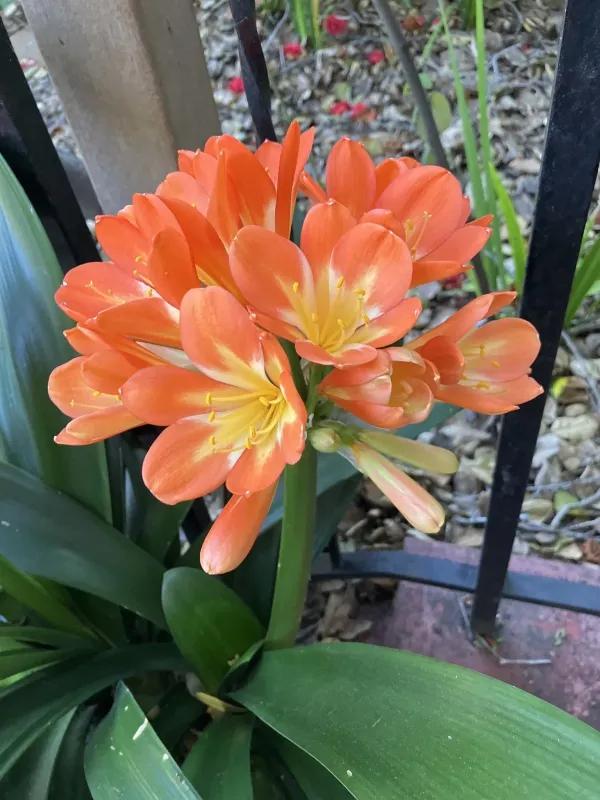
The inflorescence consists of a dense umbel of trumpet-shaped, vibrant orange to red flowers. The longevity of the blooms makes it a desirable plant for interior landscaping and professional floristry.
Commercial production requires strict adherence to environmental controls. Producers manage photoperiods and cooling periods to ensure a uniform flowering time, which is essential for market demand during peak seasons.
When handled, it is important to note that the plant contains alkaloids. Protective gloves should be worn during handling to prevent skin irritation or accidental ingestion, as all parts of the plant are considered toxic.
Harvesting of flowers for display should involve clean, sharp tools to minimize damage to the succulent tissue of the floral stalk. Post-harvest care involves keeping the stalk in clean, cool water to extend shelf life.