
Clinostigma savoryanum
Clinostigma savoryanum
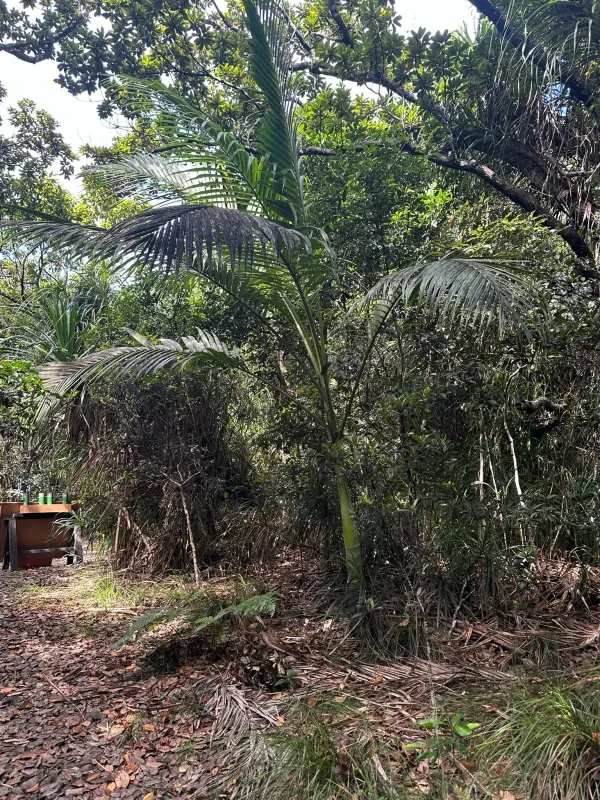
Description
Growing requirements
Clinostigma savoryanum, commonly known as a rare palm from the Arecaceae family, is native to the Bonin Islands of Japan. This species is highly prized for its solitary, slender trunk and elegant, arching fronds that provide a distinctly tropical aesthetic.
The plant thrives in humid, frost-free environments and requires stable warm temperatures to maintain its vigor. In colder climates, it is typically grown in large pots or specialized conservatories where temperatures can be strictly controlled throughout the year.
Regarding soil requirements, it necessitates a rich, well-draining medium that mimics its natural forest floor habitat. Organic-heavy soil mixes are ideal, provided they allow for adequate aeration of the root system to prevent waterlogging.
Light requirements are significant; while they can handle bright indirect light, mature specimens prefer substantial exposure. Intense afternoon sun, however, should be filtered to prevent leaf scorching, especially in enclosed environments.
Proper cultivation includes consistent irrigation and periodic fertilization with palm-specific micronutrients. Maintaining high ambient humidity is essential for the healthy development of its delicate foliage and preventing tips from turning brown.
Main diseases and pests
The most common pests affecting this palm are spider mites and mealybugs. These organisms often exploit low-humidity conditions in indoor settings, quickly colonizing the underside of the leaves and causing significant physiological stress.
Scale insects represent another notable threat, as they attach themselves to the stems and leaf bases, feeding on plant sap. These pests are often protected by their hard shells, requiring systemic insecticides for effective control.
Fungal pathogens, particularly root rot, are the leading cause of plant mortality. These issues are almost exclusively linked to overwatering or poor drainage systems that keep the roots in a perpetual state of saturation.
To mitigate disease risks, one must ensure excellent air circulation around the crown. Removing dead or damaged fronds is a crucial hygiene practice that minimizes the surface area for potential fungal growth.
Integrated pest management strategies are recommended, focusing on early detection and biological control methods where possible. Regular leaf washing helps to keep the palm free from dust and deters potential pest infestations.