
Clinostigma exorrhizum
Clinostigma exorrhizum
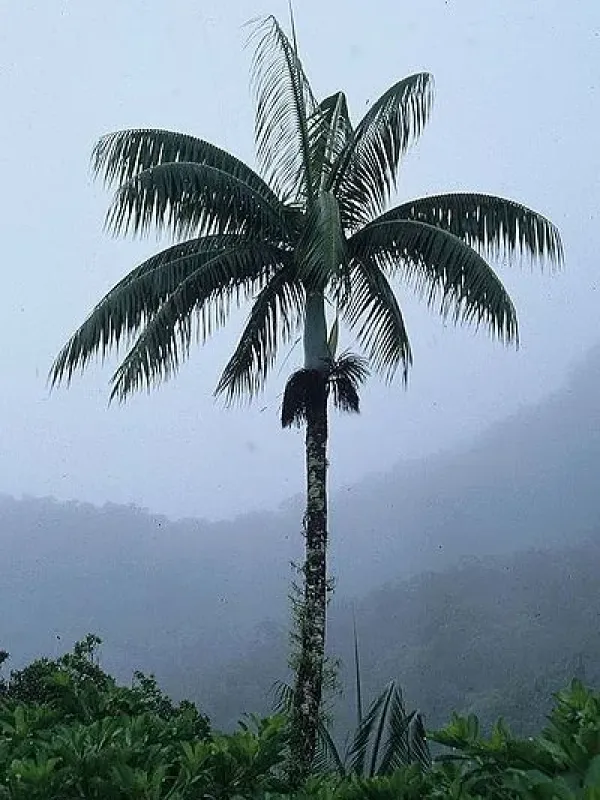
Description
Growing requirements
Clinostigma exorrhizum is an impressive species belonging to the Arecaceae family, natively found in the tropical environments of the Pacific Islands.
This palm thrives in warm, humid climates and is highly dependent on consistent tropical temperatures, as it lacks cold tolerance completely.
Cultivation requires nutrient-rich, well-draining soil that mimics the organic-rich substrate found on the floor of tropical forests.
Providing sufficient moisture is critical; however, the root zone must not become waterlogged to prevent physiological disorders and root decay.
The plant prefers bright, filtered sunlight and can suffer severe leaf scorch if exposed to intense, direct afternoon sun without adequate moisture.
Yield
The primary utility of this palm is landscape architecture, where it is highly prized for its tall, slender trunk and elegant, arching canopy.
It serves as a premium ornamental specimen in tropical botanical gardens, luxury resorts, and high-end exterior landscaping projects.
In its native habitat, parts of the palm may be utilized for traditional roofing or weaving materials due to the durability of its fibrous leaf structure.
Successful management of the culture is measured by the steady rate of trunk elongation and the healthy development of vibrant, glossy foliage.
Its rarity and unique aesthetic appeal make Clinostigma exorrhizum a sought-after commodity in the global trade of exotic nursery plants.
Main diseases and pests
Root rot caused by overwatering and poor drainage is the most significant threat to the survival of this palm species in non-native environments.
Pests such as mealybugs, scale insects, and spider mites frequently target the fronds, potentially causing stunted growth and leaf discoloration.
Poor ventilation within greenhouses or indoor settings creates favorable conditions for fungal infections, which can spread rapidly across the canopy.
Effective management includes regular monitoring for pest presence and maintaining strict sanitation practices to prevent the spread of soil-borne pathogens.
Utilizing high-quality fungicides and systemic insecticides is often necessary to protect specimens from major outbreaks in managed horticultural settings.