
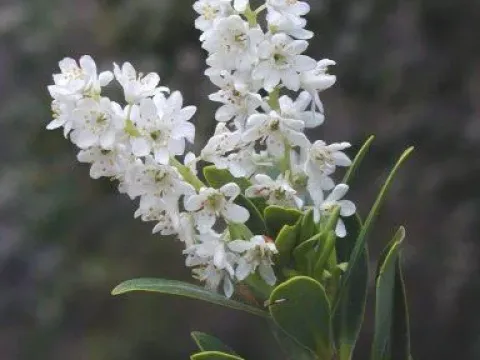
Cliftonia
Cliftonia Banks ex C. F. Gaertn.
Cliftonia (scientific name: Cliftonia) is a genus of evergreen shrubs and small trees belonging to the Cyrillaceae family. Native to the southeastern United States, this plant is commonly found in wetlands, swamps, and riverbanks.
What the section contains

Cliftonia
The plant is highly adaptable to wet conditions and is often referred to as the «buckwheat tree» due to its appearance during the flowering season. It thrives in locations with high water tables, making it an excellent choice for damp garden areas.
To ensure healthy growth, Cliftonia requires acidic soil rich in organic matter. Gardeners must prioritize maintaining soil moisture levels, as the plant is susceptible to stress during prolonged dry periods, particularly when grown in full sun.
In terms of climate, the plant prefers temperate zones and is hardy enough for mild winters. In areas with extreme winter temperatures, protective measures, such as mulching or greenhouse cultivation, are necessary to prevent cold damage.
Agricultural maintenance involves creating a consistent environment by applying pine needles or peat as mulch to preserve soil acidity and moisture. The plant naturally maintains a compact shape, though minor pruning can be performed to achieve specific aesthetic goals.
The primary economic use of Cliftonia is in the field of apiculture. As a significant honey-producing plant, it attracts a large number of pollinators during its spring blooming period, contributing to local biodiversity and honey production.
Cliftonia honey is sought after for its unique sensory characteristics. Since the harvest is conducted by honeybees, the proximity of apiaries to natural stands or managed plantings of the tree is essential for optimal yields.
Beyond its use as a honey plant, Cliftonia is highly valued for ornamental purposes. Its evergreen foliage and fragrant, white-to-pinkish flower spikes make it an attractive focal point in residential gardens and public parks.
Propagation is typically achieved through seeds or stem cuttings. Success in propagation requires high humidity and well-drained, acidic rooting media, along with the application of appropriate rooting hormones to stimulate root development.
There is no traditional harvest of the plant's biomass, as it is a perennial ornamental. The cultivation focus remains on its nectar production and its role as an aesthetic landscape element that provides year-round greenery.
Cliftonia is generally considered a low-maintenance plant with few major disease issues. Its natural environment provides a degree of resistance to common garden pathogens, provided that the soil conditions remain acidic and well-hydrated.
Potential pests include aphids and scale insects that may target young leaves and branches during the active growing season. Integrated pest management, focusing on biological controls, is effective in managing these infestations.
The most common issue encountered by growers is iron chlorosis, which presents as yellowing leaves due to an insufficient pH level in the soil. Regular monitoring and the application of chelated iron can effectively correct this nutritional imbalance.
Root rot can occur if the plant is grown in standing water without proper aeration or if the soil drainage is inadequate. Ensuring that the soil is both moist and oxygenated is crucial to preventing soil-borne fungal diseases.
Prevention is the best strategy for maintaining a healthy plant. By providing the correct site conditions—moist, acidic soil and sufficient light—gardeners can ensure the long-term vigor of Cliftonia without the need for extensive chemical treatments.