
Cliftonia monophylla
Cliftonia monophylla (Lam.) Britton ex Sarg.
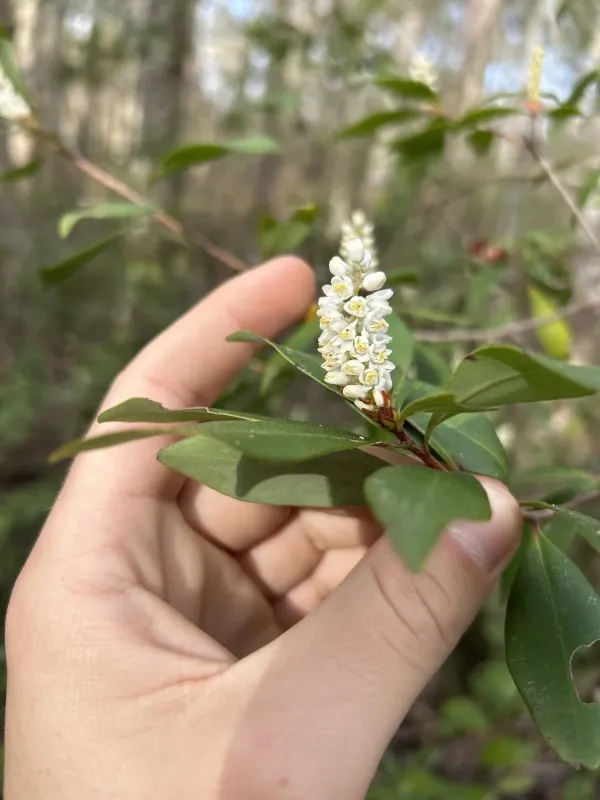
Description
Growing requirements
Cliftonia monophylla, commonly known as the buckwheat tree, is the sole species in the genus Cliftonia, belonging to the Cyrillaceae family. It typically grows as an evergreen shrub or small tree, reaching heights of 3 to 5 meters in its native habitat.
Native to the southeastern United States, the plant is naturally distributed across coastal plains, particularly in Louisiana, Alabama, Florida, and Georgia. It thrives in wet, acidic environments, commonly found in swamps, bogs, and along stream banks.
The cultivation of this species requires strict adherence to soil requirements. It strictly prefers highly acidic soils with a pH between 4.5 and 5.5. In alkaline or neutral soils, the plant fails to thrive, often developing severe iron chlorosis.
Cliftonia demands significant moisture levels to survive and grow. While it is tolerant of temporary saturation, it requires well-drained conditions to prevent root rot. It performs best in full sun to partial shade, depending on the intensity of the regional summer heat.
In landscape or agricultural settings, it is valued for its hardiness within USDA zones 8–9. Due to its sensitivity to cold and soil chemistry, it is often restricted to specific geographic regions where these natural conditions can be mimicked or are naturally present.
Yield
The primary agricultural value of Cliftonia monophylla lies in its significant nectar production. It is highly regarded by beekeepers for providing a reliable source of early spring forage when few other nectar sources are available.
A well-established stand of buckwheat trees can produce substantial amounts of nectar, which significantly supports the rapid buildup of bee colonies during the critical early season period.
While the plant is not a commercial crop for fruit or grain, its wood has been historically noted for its density, though its small stature makes it unsuitable for large-scale timber production. Its main output remains the ecological and apiary benefit.
Yield stability depends on weather conditions during late winter and early spring. Since the flowers are sensitive to frost, mild spring temperatures are essential for ensuring a productive blooming period and maximizing nectar secretion.
The long-term yield of a plantation depends on maintaining the correct soil chemistry. Proper monitoring of nutrient availability and ensuring consistent water supply throughout the growing season are key to maintaining high productivity.
Main diseases and pests
Phytophthora root rot is the most serious threat to Cliftonia monophylla, especially in poorly drained soils. Once established, this fungal pathogen is difficult to manage and often leads to the decline of the entire plant.
Iron chlorosis is a frequent physiological disorder in cultivated settings. It manifests as yellowing of the leaves while veins remain green, signaling an inability of the plant to uptake iron due to improper soil pH levels.
Common pests like aphids or spider mites can occasionally affect the shrub, particularly in nursery conditions or greenhouses. Regular scouting and integrated pest management strategies are sufficient to keep populations under control.
Frost damage represents a significant risk for the plant at the edges of its hardiness range. While it can withstand cold, extreme drops in temperature can cause cambium damage and bud necrosis, hindering spring blooms.
Weed competition poses a challenge during the establishment phase. Young specimens are slow-growing and can be easily outcompeted by aggressive weeds, necessitating diligent mulching and manual removal of unwanted vegetation around the base.