
Cliftonia
Cliftonia
Description
Growing requirements
Cliftonia is a genus of evergreen shrubs belonging to the Cyrillaceae family. Native to the southeastern United States, this plant is commonly found in wetlands, swamps, and acidic soil environments, reflecting its preference for high moisture levels.
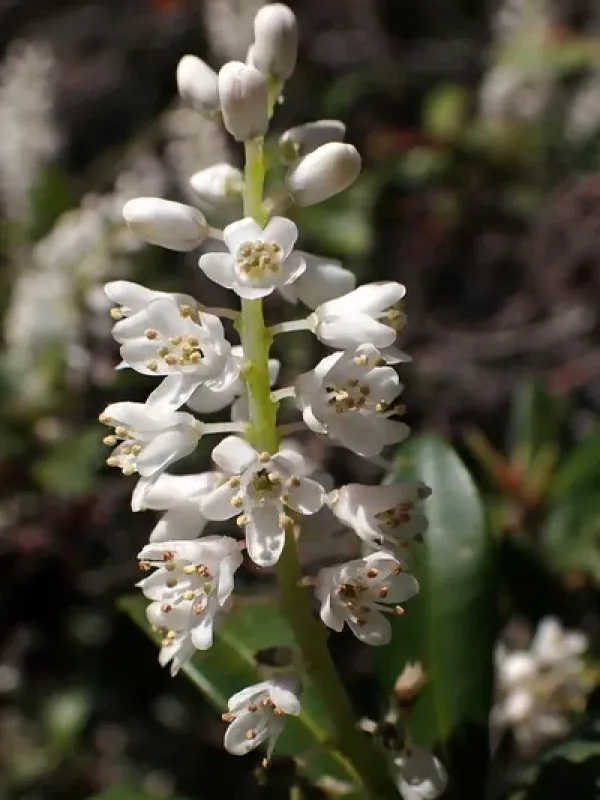
Botanically, Cliftonia is characterized by leathery, persistent leaves and terminal racemes of small, fragrant white or pinkish flowers. Its growth habit is typically slow, allowing it to develop into a dense, attractive bush that is highly valued in specialty gardening.
The cultivation of Cliftonia requires specific attention to soil acidity, as it thrives best in substrates with a pH level between 4.5 and 5.5. Incorporating organic matter, such as peat or pine bark, is essential to maintain the necessary soil structure and chemical balance.
This species prefers partial shade, although it can adapt to sunnier positions if the moisture content of the soil is strictly maintained. Drought sensitivity is a key biological feature, necessitating consistent watering protocols throughout the growing season.
Beyond its ornamental appeal, Cliftonia acts as an important pollinator-friendly plant. In its natural range, it contributes significantly to the nectar source for local bee populations, emphasizing its role in supporting local ecosystem health.
Main diseases and pests
The primary threats to Cliftonia cultivation involve soil-borne pathogens that thrive in saturated or poorly drained environments. Root rot is a significant danger if the root system remains constantly submerged in stagnant, non-aerated water.
Insect pests, particularly scale insects and spider mites, are common nuisances in greenhouse settings. These pests can cause significant damage to foliage and weaken the overall vitality of the plant if left untreated.
Fungal leaf spots can occur when the humidity levels are high but air circulation is inadequate. Implementing spacing requirements and proper pruning techniques significantly reduces the incidence of such diseases.
Prevention and integrated pest management (IPM) are critical for maintaining healthy specimens. Routine monitoring of the underside of leaves for early signs of infestation helps in mitigating outbreaks before they reach critical levels.
Good cultural practices, such as applying mulch to preserve moisture and avoiding overhead irrigation during cooler periods, effectively decrease the likelihood of fungal colonization on the aerial parts of the plant.