
Lewisia cotyledon
Lewisia cotyledon (S. Watson) B. L. Rob.
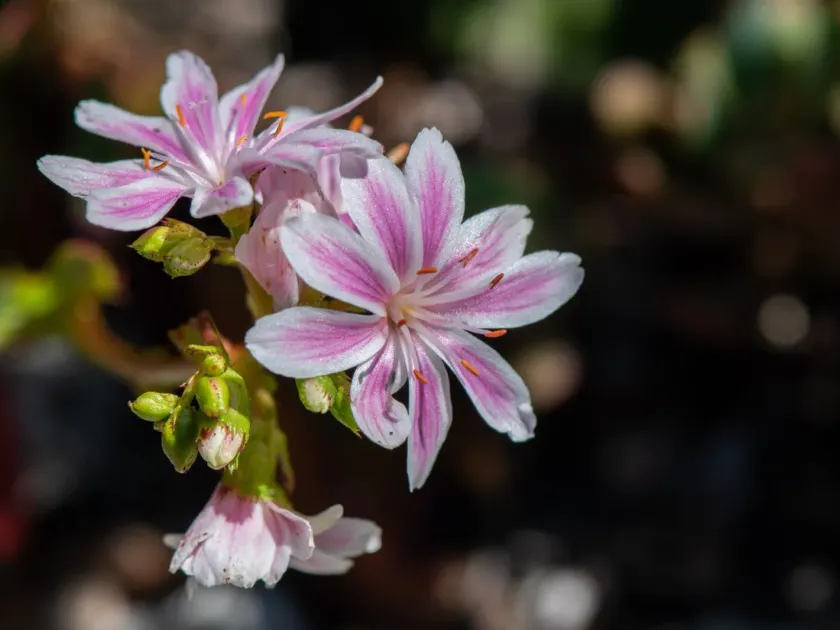
Description
Sowing dates
Sowing seeds of Lewisia cotyledon is best done in late autumn or early winter, as the seeds require a period of cold stratification to germinate properly. Keep the seed trays in a cool environment at about 5°C for several weeks.
In spring, seeds can be sown after artificial stratification in a refrigerator. Use a very gritty, free-draining substrate to ensure that moisture does not accumulate around the developing roots.
The seeds require light to germinate, so they should be sown very thinly on the surface of the soil. Cover the trays with glass or plastic to maintain humidity levels until germination occurs.
Pricking out the seedlings must be done with extreme care to avoid damaging the delicate root system. Using peat or paper pots allows for transplanting without disturbing the root ball.
Transplanting into the permanent garden site should occur after the last frost, ensuring the plant is placed in a spot with excellent drainage.
Growing requirements
Lewisia cotyledon belongs to the Montiaceae family and is a perennial evergreen succulent. Originating from the rocky slopes of the Pacific Northwest, it is highly adapted to harsh conditions.
The plant thrives in rocky, acidic to neutral soil that is poor in nutrients. Over-fertilizing is a common mistake that leads to weak growth and susceptibility to rot.
Adequate drainage is the most critical factor for success. In rock gardens, lewisia is often planted on a slope to prevent water from collecting in the leaf rosette.
While the plant enjoys morning sun, it requires protection from the hot afternoon sun in warmer climates. High humidity and heat in combination are detrimental to this species.
Winter protection is often necessary in wetter climates to keep the crown of the plant dry, preventing rot during the dormant season.
Main diseases and pests
Root and crown rot are the primary threats to the health of the plant, usually caused by overwatering or soil that remains damp for too long. Proper drainage is the best defense.
Slugs and snails find the succulent, fleshy leaves of the lewisia very attractive. Barrier methods such as copper tape or organic baits can help manage these pests effectively.
Fungal infections can develop if the leaf rosettes are kept in humid, stagnant air. Ensure proper spacing between plants to allow for good airflow.
Aphids can occasionally infest the flower stalks during the blooming season. If detected, they can be treated with mild horticultural soap or targeted insecticides.
Improper soil pH can lead to nutrient deficiencies, manifesting as leaf yellowing. Regularly test the soil to maintain an environment suitable for this alpine plant.