
Cistus pouzolzii
Cistus pouzolzii
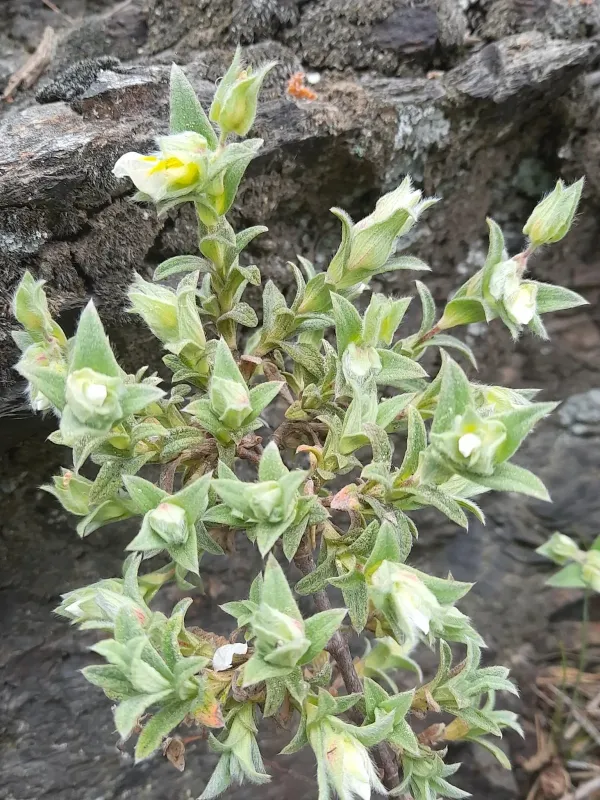
Description
Growing requirements
Cistus pouzolzii is a woody evergreen shrub belonging to the Cistaceae family. It is native to rocky terrains, specifically found in the southern regions of France.
This species thrives in a Mediterranean-type climate characterized by hot, dry summers and mild, relatively humid winters. It requires maximum sun exposure to maintain its healthy growth and bloom.
Soil requirements are strict: the plant necessitates extremely well-drained, nutrient-poor soil. Rocky, sandy, or gravelly substrates are ideal as they prevent the root rot commonly associated with moisture retention.
The shrub is naturally adapted to withstand extreme heat and prolonged drought. It does not tolerate high nutrient concentrations, particularly high nitrogen, which can lead to excessive, weak vegetative growth.
In terms of maintenance, minimal irrigation is required once the plant is established. It is an excellent choice for xeriscaping or rocky landscapes where water conservation is a priority.
Yield
The primary economic application of Cistus pouzolzii is in the ornamental horticulture sector due to its appealing flowers and evergreen foliage. It is widely used for bank stabilization on rocky slopes.
In the pharmaceutical and cosmetic industries, the leaves and twigs are harvested for their aromatic essential oils. These oils contain specific bioactive compounds used in traditional medicine and perfumery.
Harvesting should be conducted using precise pruning techniques to ensure the bush remains productive. Sustainable harvesting cycles help in maintaining the longevity of the individual shrubs.
Dried leaves are the commercial product often processed for extracts. Proper drying conditions are essential to preserve the volatile compounds that define the plant's economic value.
Ongoing agricultural interest focuses on breeding variants that can tolerate slightly lower temperatures, increasing the geographic potential for large-scale field cultivation.
Main diseases and pests
Fungal diseases such as powdery mildew are the most significant threats to plant health, particularly in environments with poor air circulation or high humidity levels.
Insect pests, including aphids and spider mites, may infest the foliage during the growing season. Early detection is crucial to prevent significant damage to the plant's aesthetic and medicinal value.
Good agricultural practices, such as maintaining appropriate spacing between plants, significantly reduce the risk of disease outbreaks. Proper pruning helps ensure light penetration and airflow.
Over-watering is the most common cause of crop failure. Maintaining the correct moisture balance is the primary method of preventing soil-borne pathogens that attack the root system.
Integrated pest management strategies are recommended to manage outbreaks, emphasizing biological controls rather than heavy chemical intervention to preserve the quality of the harvested biomass.