
Cinnamomum glanduliferum
Cinnamomum glanduliferum
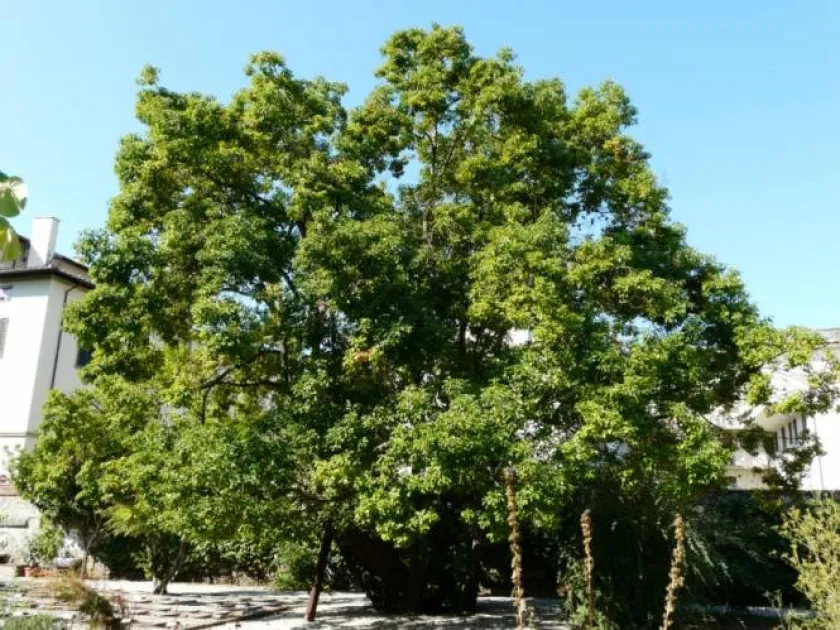
Description
Growing requirements
Cinnamomum glanduliferum is an evergreen tree species belonging to the Lauraceae family. It is native to the temperate and subtropical regions of the Himalayas, Southwest China, and various parts of Southeast Asia, thriving in mountainous habitats.
The crop requires fertile, well-draining soils with a slightly acidic to neutral pH level. Proper site selection is crucial to ensure that the root system develops correctly, as the plant is highly sensitive to waterlogging, which often causes severe root decay.
Climate requirements involve stable temperatures and high humidity levels. In agricultural settings, it is best grown in environments where seasonal temperature extremes are minimized, allowing the tree to maintain its metabolic activities throughout the year.
Agricultural management includes precise irrigation scheduling and nutrient application. Young plants require partial shade to mimic their natural forest canopy habitat, preventing leaf scorch caused by direct, high-intensity sunlight in early growth stages.
The economic value of this tree is largely attributed to its volatile oils, which are rich in camphor. These oils are extracted for industrial use in pharmaceuticals and perfumery, while the durable timber is harvested for high-quality wood production.
Main diseases and pests
Common pathological threats include fungal infections such as root rot and leaf spots, which are typically triggered by poor soil aeration or excessive moisture. Maintaining optimal spacing between trees is essential to ensure adequate airflow and reduce humidity around the foliage.
Pests such as scale insects and mealybugs are significant threats that feed on the sap of young shoots. These infestations can drastically reduce plant vigor and cause cosmetic damage to the foliage, negatively impacting the quality of the harvested essential oils.
Spider mites frequently target the plant during hot and dry spells. Their presence is characterized by fine webbing and yellowing of leaves, which can be mitigated by increasing humidity around the canopy or using targeted horticultural soaps.
Integrated pest management strategies are recommended, emphasizing the use of biological controls over harsh chemical interventions. Regular monitoring and physical removal of infested plant parts are critical for maintaining the health of a plantation.
Proper hygiene, such as disinfecting pruning tools, is vital to prevent the spread of diseases. Clearing the area around the trees of weeds helps reduce the risk of secondary infections and provides fewer nesting sites for common agricultural pests.