
Cinclidotus riparius
Cinclidotus riparius
Description
Growing requirements
Cinclidotus riparius is a perennial aquatic moss belonging to the Cinclidotaceae family. It typically inhabits running water environments, anchoring itself firmly to rocky substrates, submerged logs, or tree roots in areas subject to fluctuating water levels.
This species requires water bodies rich in calcium and maintains a stable hydrological regime. It possesses significant ecological plasticity, enabling it to survive both periodic exposure to air and the physical stress of strong currents in rivers and streams.
The distribution of this moss spans the temperate zones of Eurasia and North Africa. In its natural habitat, it forms extensive mats that serve as essential shelters for various aquatic invertebrates and substrates for epiphytic algae.
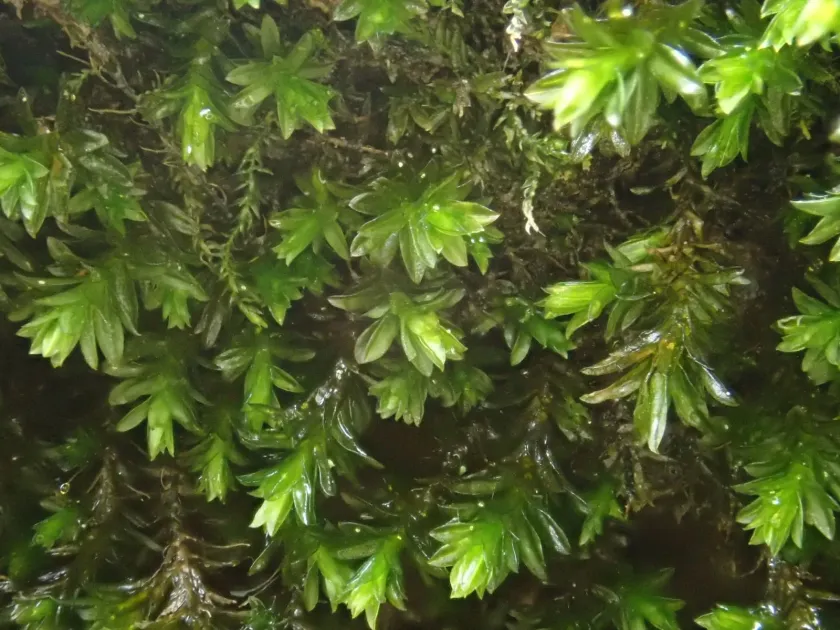
Botanically, the plant is characterized by dark green or nearly black stems reaching several centimeters in length. The leaves feature a distinctive thickened border composed of dense cells, which reinforces the leaf structure against the turbulence of flowing water.
While not a traditional agricultural crop, the species is of high interest in environmental monitoring. It serves as a bioindicator for water quality and is occasionally used in aquascaping to provide a natural look for specialized artificial water features.