
Cinclidotus aquaticus
Cinclidotus aquaticus
Description
Growing requirements
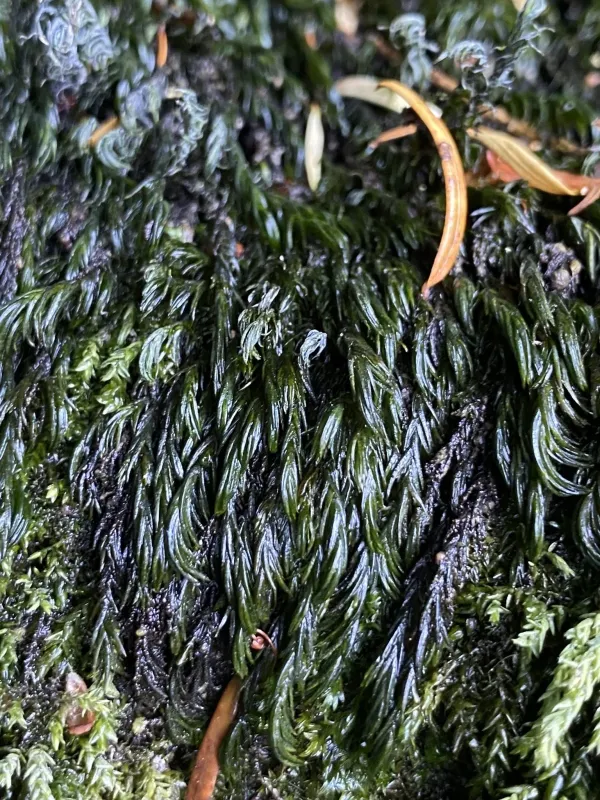
Cinclidotus aquaticus is a perennial aquatic moss belonging to the Pottiaceae family. It is typically found in flowing water, specifically in streams and rivers where it forms dense, dark green mats attached to submerged rocks.
The plant possesses a rigid, lanceolate leaf structure, which is an adaptation to high-velocity water flow. This physical structure allows the moss to withstand mechanical stress while filtering nutrients directly from the water column.
Environmental conditions must be highly specific for its survival, primarily requiring well-oxygenated, calcium-rich waters. It serves as a biological indicator for water purity and stability in fluvial ecosystems.
Optimal growth occurs in temperate climates where water temperatures remain cool throughout the year. The plant thrives in areas where there is minimal organic pollution and a consistent flow that provides essential minerals.
In terms of management, protecting its natural habitat is crucial. Any attempt to cultivate this species requires constant flow-through systems, high water quality, and specific pH levels ranging from neutral to slightly alkaline.
Main diseases and pests
Eutrophication is the primary threat to Cinclidotus aquaticus populations. An increase in nutrient load promotes the growth of algae, which competes for space and light, eventually suffocating the moss colonies.
River engineering projects such as dredging or damming significantly alter the hydrologic regime. These activities often eliminate the rocky substrates required for the plant to attach and colonize effectively.
Industrial pollutants and chemical runoff represent a severe risk. As a bryophyte, the plant absorbs substances directly from the surrounding water, making it extremely vulnerable to heavy metal and pesticide contamination.
Invasive plant species can outcompete the moss by physically blocking water flow or altering the light levels reaching the riverbed. This aggressive colonization often forces the native Cinclidotus to migrate or perish.
Climatic changes that lead to reduced river levels and increased temperature are particularly dangerous. Prolonged exposure to air or stagnant, warm water significantly reduces the physiological viability of the moss tissue.