
Cinclidotus fontinaloides
Cinclidotus fontinaloides
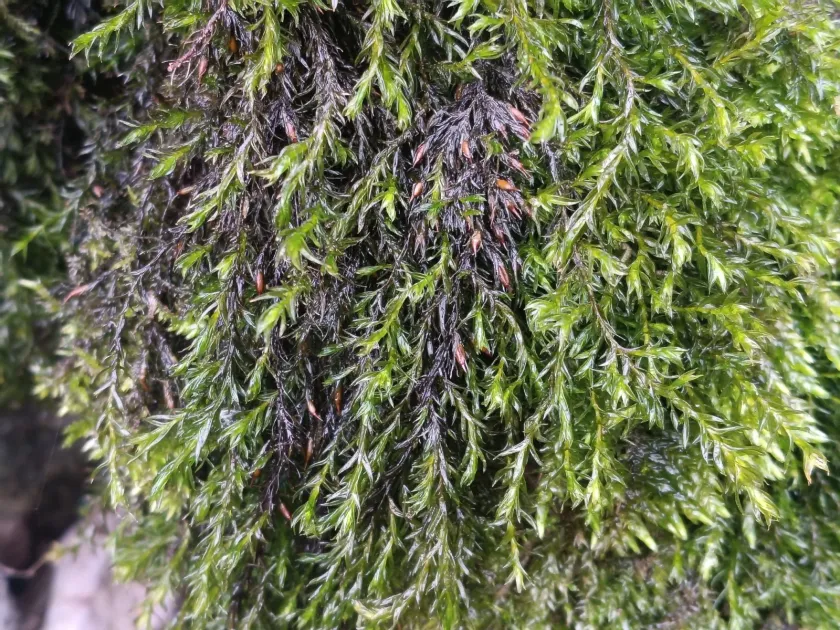
Description
Growing requirements
Cinclidotus fontinaloides is an aquatic moss species belonging to the Pottiaceae family. It is typically found in temperate regions, where it thrives in fast-flowing water, attaching itself to hard surfaces like submerged rocks, concrete embankments, and bridge pillars.
This species is a perennial hydrophyte that requires high levels of dissolved oxygen. Unlike terrestrial mosses, it has adapted to constant submersion and the mechanical stress caused by water currents, which it withstands due to its rigid stem structure.
The optimal habitat for this moss includes clean, cool, and nutrient-rich running water. While it can withstand short periods of exposure to air, it performs best in permanently hydrated conditions, often found in the spray zone of waterfalls or river dams.
Botanically, it features long, dark green shoots with leaves that possess a strong central nerve. This anatomical feature is crucial for anchoring and structural integrity, allowing the colony to maintain a dense carpet despite the influence of turbulent flow.
In modern water management, Cinclidotus fontinaloides is valued for its potential in bio-remediation. Its large surface area makes it an efficient biological filter, capable of sequestering nitrates and phosphates from contaminated agricultural runoff.
Main diseases and pests
The most significant threat to Cinclidotus fontinaloides populations is water eutrophication. High nutrient levels promote excessive algal growth, which outcompetes the moss for sunlight and physically smothers the colony, leading to widespread decay.
Chemical pollutants, especially heavy metals and herbicides, are highly toxic to this species. Being a non-vascular plant, it absorbs nutrients and toxins directly through its leaves, making it highly sensitive to changes in water chemistry.
Alterations to the hydrological regime, such as the damming of rivers or the diversion of water flow, often result in the habitat drying out. This disruption prevents the moss from maintaining its vital metabolic processes and leads to rapid population decline.
Invasive species of aquatic plants often create shading effects or compete for physical space on the substrate. This pressure can cause the moss to be displaced from its optimal growing environment, leading to local extinction.
Human activities, such as dredging or the aggressive cleaning of hydraulic structures, are destructive. Because the growth rate of this moss is relatively slow, such mechanical interventions prevent the plant from re-colonizing the affected areas for many years.