
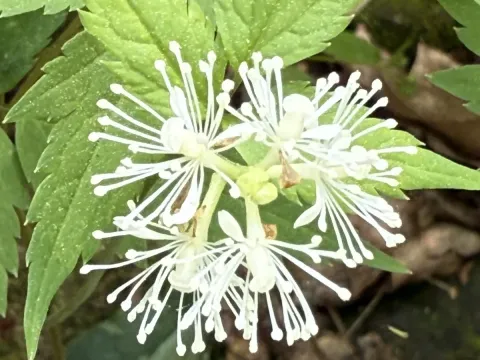
Cimicifuga
Cimicifuga
Propagation of Cimicifuga is most effectively achieved through rhizome division during the early spring or autumn months when the plant enters dormancy.
What the section contains


Cimicifuga
While seed propagation is possible, it requires a rigorous cold stratification process lasting several months to break deep seed dormancy.
Seedlings or divisions should be planted at a spacing of 60 to 80 centimeters to allow sufficient room for the sprawling root system to expand.
When transplanting, it is crucial to handle the root system carefully to avoid mechanical damage, which can lead to delayed growth.
The planting site should be prepared by incorporating generous amounts of organic matter, ensuring the soil remains fertile and friable for several years.
Cimicifuga belongs to the Ranunculaceae family and is a robust herbaceous perennial known for its long, dramatic spikes of flowers.
The species naturally thrives in shaded forest edges and moist meadows, which dictates the need for filtered sunlight in a cultivated setting.
Soil moisture is the most critical factor for successful production; the substrate must be consistently damp but must possess excellent drainage.
Optimal soil for this culture is deep, humus-rich loam with a slightly acidic to neutral pH level to ensure proper nutrient absorption.
Due to its high demand for moisture, mulch application is recommended to maintain soil temperature and prevent rapid evaporation during summer heat.
In medicinal cultivation, the harvest focuses on the thick, knotted rhizomes which are collected after several years of plant growth.
Yields depend heavily on soil fertility and irrigation management, with well-managed crops producing high concentrations of bioactive compounds.
Sustainable harvesting involves removing only parts of the root clump while allowing the plant to remain in place for further regeneration.
The biomass of the plant continues to increase annually, reaching its peak medicinal potential typically around the third or fourth year of life.
Proper post-harvest processing, including washing and drying at controlled temperatures, is essential to maintain the quality of the raw material.
While generally hardy, Cimicifuga can succumb to root rot if grown in heavy, compacted soils that do not allow for adequate oxygen flow.
Fungal leaf spots can appear during prolonged periods of high humidity and poor air circulation within the planting area.
Aphids are the most common pest observed on this culture, primarily congregating on the succulent flower spikes before they open.
Slugs and snails can cause cosmetic damage to the foliage, especially in the spring when new, tender growth emerges from the soil.
Integrated pest management strategies, such as maintaining clean cultivation lines, effectively mitigate the majority of these threats.