
Black cohosh
Cimicifuga racemosa
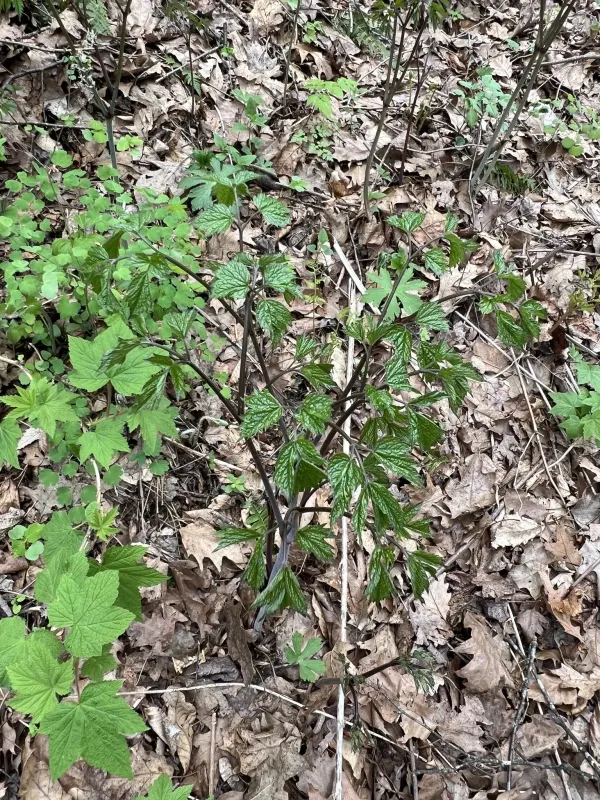
Description
Sowing dates
Black cohosh (Cimicifuga racemosa) is a member of the Ranunculaceae family, typically propagated by seeds or division of mature rhizomes. Seeds exhibit physiological dormancy and require cold stratification to germinate successfully.
For best results, seeds should be sown in late autumn in outdoor seedbeds or containers, allowing them to experience natural winter temperatures for at least 3 to 4 months.
The seeding depth should be shallow, approximately 1-2 cm, in a loose, moisture-retentive soil mix. Over-deep planting can significantly reduce the emergence rate of seedlings.
Seedlings emerge slowly and often unevenly during the spring. Maintaining consistent soil moisture is crucial during the first season of growth to prevent the delicate root system from desiccating.
Transplanting to the permanent field site is usually recommended when the plants have developed a sufficiently strong root system, typically in the second year of growth.
Growing requirements
Black cohosh thrives in partial shade and is native to moist, deciduous forests. In agricultural settings, it requires locations with protection from intense direct sunlight and drying winds.
The soil must be rich in organic matter, deep, and well-drained. It prefers a pH range between 6.0 and 7.5, ensuring high fertility for sustained rhizome development.
Consistent water availability is essential. During periods of drought, supplemental irrigation is mandatory to prevent premature wilting and to ensure the plant reaches its full biomass potential.
Mulching is a highly effective management practice, helping to retain soil moisture, suppress weeds, and regulate temperature around the root zone throughout the season.
Given the plant's height, which can exceed 2 meters during the flowering stage, the site should be protected from strong winds that could damage the tall, slender stalks.
Yield
The economic value of black cohosh lies in its rhizomes, which contain triterpene glycosides and are extensively used in the dietary supplement and pharmaceutical industries.
Harvesting is typically done when the plants are 4 to 5 years old, as the concentration of active medicinal compounds peaks after several years of mature growth.
Yield varies based on soil quality, plant density, and moisture management. Properly managed plantations can produce significant annual harvests once the initial establishment phase is complete.
The harvest involves extracting the entire root system, which must then be cleaned of soil and debris to meet quality standards for industrial processing.
Optimization of yield requires careful attention to fertilization programs, focusing on organic amendments that promote long-term soil health and consistent growth rates.
Main diseases and pests
While generally hardy, black cohosh can be susceptible to several pathogens if the environmental conditions are unfavorable or if the crop density is too high.
Root rot is the most common threat, primarily associated with waterlogged soils and inadequate drainage during the spring, which can lead to rapid plant mortality.
Powdery mildew can infect foliage during warm, humid seasons with poor airflow. Fungicidal applications or proper row spacing are necessary to mitigate this risk effectively.
Slugs and snails can cause significant damage to young foliage early in the season. Implementing integrated pest management strategies, such as physical barriers, is recommended for small-to-mid-scale operations.
Regular monitoring of the plantation is vital for early detection of stress or disease, allowing for timely interventions before damage becomes widespread across the field.
Harvesting
Harvesting is best performed in the autumn after the foliage has naturally yellowed and the plant has entered dormancy, ensuring that energy reserves are concentrated in the rhizomes.
Rhizomes are carefully lifted from the soil, thoroughly cleaned of dirt, and typically sliced into smaller pieces to facilitate efficient drying and prevent rot during storage.
Drying must be conducted in controlled conditions, ideally at temperatures below 45 degrees Celsius, to preserve the structural integrity of the pharmacological compounds.
The final product should be stored in cool, dry, and dark conditions. Exposure to high humidity or light can degrade the quality of the raw material significantly over time.
Quality control standards require that the processed rhizomes be free from mold, excessive dirt, and other contaminants to comply with international herbal manufacturing protocols.