
Cimicifuga acerina
Cimicifuga acerina
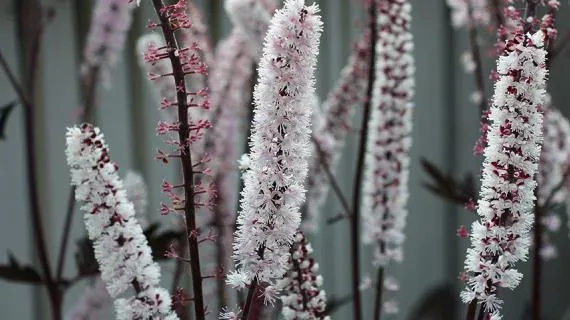
Description
Growing requirements
Cimicifuga acerina, commonly known as maple-leaf bugbane, belongs to the Ranunculaceae family. Native to the woodlands of East Asia and Japan, this perennial is highly prized for its unique foliage and tall, elegant flower spikes.
Cultivation requires rich, humus-dense soil that remains consistently moist throughout the growing season. The plant thrives in environments that mimic forest floors, where organic matter provides essential nutrients and moisture retention.
Climate preferences include sheltered, shady or semi-shaded locations. While the plant is winter-hardy, it must be protected from scorching afternoon sun and strong, desiccating winds that can damage its delicate maple-like leaves.
Agronomic practices focus on maintaining soil moisture through mulching and consistent watering schedules. Applying organic fertilizers in early spring stimulates vigorous growth and enhances the development of the root system.
The primary use of this crop is in ornamental horticulture. It is frequently integrated into perennial borders, shade gardens, and woodland settings, where its late-season bloom adds significant visual interest when other plants fade.
Main diseases and pests
Powdery mildew is the most common fungal disease, especially in dense plantings with poor air circulation. Proper spacing between individual plants is a critical preventive measure to ensure healthy growth.
Slugs and snails are frequent pests that target the young, tender foliage. In damp environments, these mollusks can cause significant defoliation, requiring the use of bait or protective physical barriers.
Aphids can occasionally colonize flower stalks during dry spells. Early detection is key to control; applying insecticidal soap or neem oil is usually effective without harming the plant's delicate tissues.
Root rot is a physiological condition caused by poor drainage or overwatering in heavy clay soils. Ensuring proper drainage at the planting site is fundamental to the long-term survival of this perennial.
Integrated pest management involves cultural practices like cleaning debris around the plants, which reduces the habitat for slugs and overwintering spores, alongside targeted use of safe protective agents.