
Cibirhiza spiculata
Cibirhiza spiculata
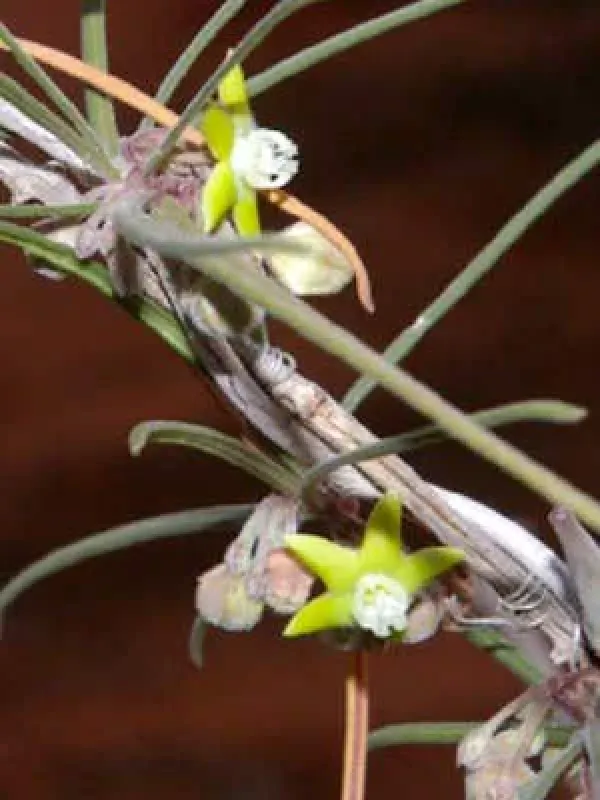
Description
Growing requirements
Cibirhiza spiculata is a distinct succulent species belonging to the Apocynaceae family. It is recognized for its thick, woody caudex, which functions as a storage organ for water and nutrients, enabling the plant to thrive in arid and rocky habitats characteristic of its native Siberian origins.
The plant requires well-drained, porous soil compositions, often utilizing mineral-heavy substrates to ensure root aeration. It is strictly intolerant of waterlogging, which can cause physiological disorders and rapid decline in plant vigor.
Environmental conditions must mimic natural rocky slopes, characterized by intense direct sunlight and low humidity levels. Proper exposure is critical for maintaining the plant's structural integrity and preventing etiolation, which leads to weak growth and increased vulnerability.
Agronomic management involves a strict cycle of active growth followed by a dormant phase. During the dormant period, irrigation should be minimized or withheld to allow the plant to harden off, which is essential for survival and long-term development.
Current хозяйственное utility is focused on botanical research and specialized horticulture, given the plant's unique biological traits. It serves as a model organism for understanding succulent adaptation in extreme climates.
Main diseases and pests
Root rot is the primary physiological threat to Cibirhiza spiculata. It is typically caused by poorly draining substrate or excessive irrigation, particularly during periods of low light or lower temperatures when the plant's transpiration rate is significantly reduced.
Pest pressures include infestations of mealybugs and spider mites, which can be particularly damaging when the plant is grown in sheltered or greenhouse environments. These pests can cause chlorosis and stunted development.
Fungal pathogens represent a constant risk under conditions of high relative humidity and poor air circulation. Regular monitoring for white mycelium on the surface of the caudex is necessary to identify infections at an early stage.
Integrated Pest Management (IPM) practices should be employed, prioritizing manual removal and localized treatment over broad-spectrum chemical applications to maintain the health of the plant tissue.
Environmental stress, particularly sudden temperature drops coupled with high humidity, can lead to tissue decay. Maintaining a stable, dry environment during the resting season is the most effective preventative measure against these threats.