
Chytroglossa marileoniae
Chytroglossa marileoniae
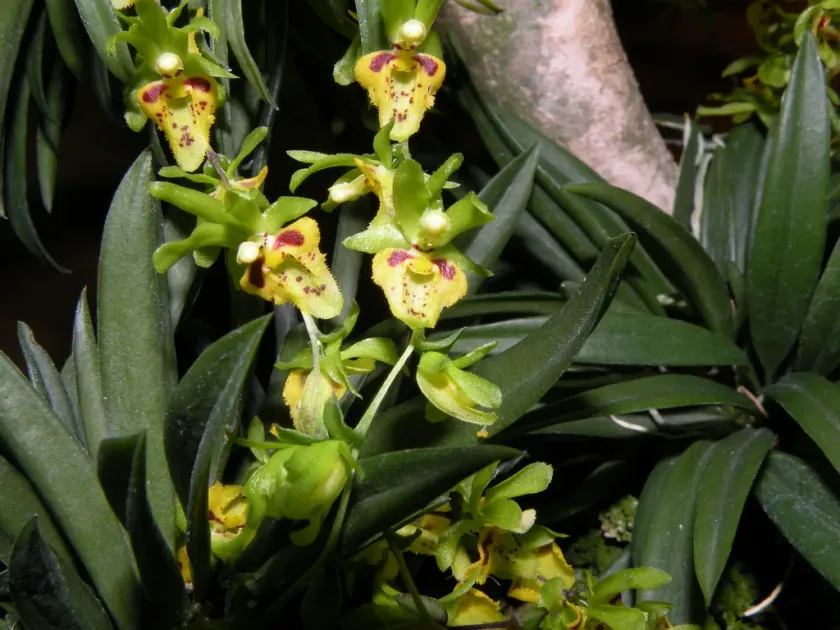
Description
Growing requirements
Chytroglossa marileoniae is a rare species of orchid belonging to the Orchidaceae family. Native to the tropical forests of Brazil, it is an epiphyte that thrives in high-humidity environments typical of its natural cloud forest habitat.
Cultivating this species requires precise environmental control, specifically high ambient humidity levels ranging from 70 to 80 percent. The plant should be misted frequently or grown in a climate-controlled greenhouse to replicate its native conditions.
Light requirements for this orchid are moderate; it prefers bright, filtered sunlight. Exposure to direct midday sun will damage the foliage, so it is best to place the plant in a position with diffused light or under a shading net.
Temperature management is crucial for the health of the plant. It prefers moderate conditions with a slight temperature drop at night, which helps stimulate healthy growth and eventual flowering in the maturity stage.
The choice of substrate is vital for its survival. As an epiphyte, it must be mounted on cork bark or grown in a well-draining basket filled with high-quality orchid mix to prevent root suffocation.
Main diseases and pests
The primary threat to Chytroglossa marileoniae is root rot caused by overwatering or poor drainage. The roots must have constant access to fresh air to remain healthy and avoid fungal pathogens.
Spider mites are common pests that thrive in dry indoor conditions. To prevent infestations, it is necessary to maintain high humidity and ensure there is adequate airflow around the plant's leaves.
Fungal infections can spread rapidly if water droplets linger on the foliage for too long in poorly ventilated areas. Always ensure the leaves dry out completely after any misting procedure.
Poor water quality, particularly water with high mineral content, can lead to salt accumulation on the roots, which negatively impacts the plant's ability to absorb nutrients and leads to stunted growth.
Neglecting the seasonal rest period can weaken the plant's natural defenses, making it significantly more susceptible to both opportunistic diseases and common pests found in indoor gardening.