
Chrysocoma cernua
Chrysocoma cernua
Description
Growing requirements
Chrysocoma cernua is a perennial subshrub belonging to the Asteraceae family. Native to the southern regions of Africa, this plant is well-adapted to harsh, arid environments and rocky soil conditions that characterize its natural habitat.
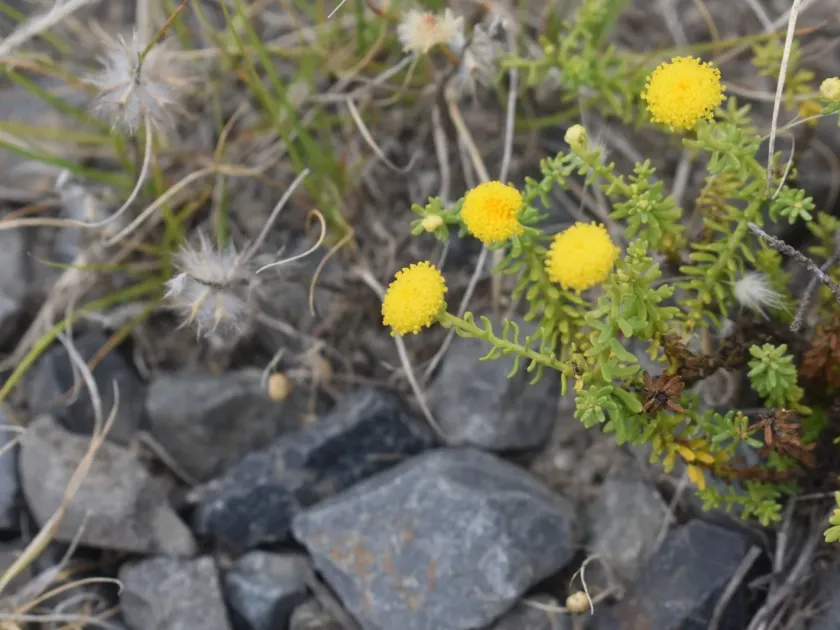
Botanically, the species is recognized by its dense, branched structure and narrow, often pubescent leaves. The plant produces vibrant yellow, head-like inflorescences that tend to nod or droop during the flowering season, justifying its specific epithet.
To cultivate Chrysocoma cernua successfully, one must provide well-drained, sandy, or rocky soils with neutral to slightly alkaline characteristics. It requires full sun exposure to thrive and exhibits excellent tolerance to extreme heat and prolonged dry spells.
Climate requirements include mild winters, as the species is sensitive to frost and persistent cold weather. The plant prefers low-humidity environments, which makes it particularly suitable for xeriscaping and sustainable landscape design in semi-arid zones.
The primary horticultural application of this species is ornamental. It is highly valued for its ability to maintain a tidy, compact form in dry gardens where water-intensive species fail to establish or thrive.
Main diseases and pests
The most significant threat to the health of Chrysocoma cernua is excessive soil moisture. Poorly drained substrates will inevitably lead to root rot and rapid senescence, making irrigation management the most critical aspect of its care.
In terms of pests, spider mites and mealybugs can become problematic, particularly if the plant is grown in sheltered or poorly ventilated areas. Regular monitoring is essential to prevent infestations from compromising the plant's aesthetic value.
Fungal pathogens associated with damp conditions are a common concern. Maintaining air circulation and avoiding overhead watering can significantly reduce the risk of mold and leaf spot diseases.
Competition from fast-growing weeds is another risk factor, especially during the establishment phase. Hand weeding is recommended to ensure that the young subshrub receives adequate light and nutrients without root disturbance.
Integrated pest management strategies should be applied sparingly, as the plant is sensitive to various chemical substances. Focusing on environmental control is always preferred over aggressive chemical intervention.