
Chinese cherry
Prunus pseudocerasus Lindl.
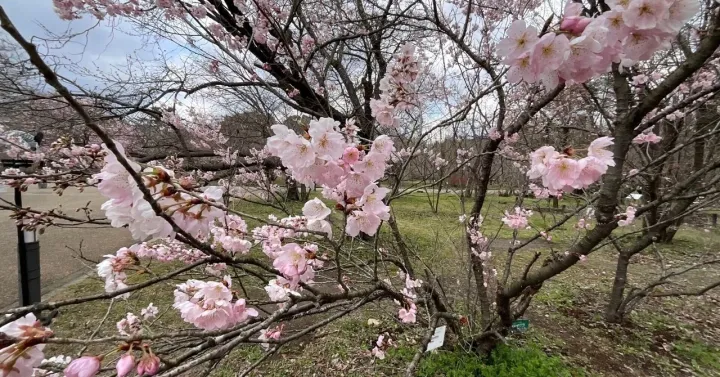
Description
Growing requirements
Prunus pseudocerasus, commonly known as Chinese cherry, is a species in the Rosaceae family native to China. It is highly valued for its early flowering period and its versatility, serving as both a fruit-bearing plant and an ornamental tree in various landscape settings.
The tree thrives in temperate climates with well-distributed rainfall. It requires a location with full sunlight to partial shade and well-drained, fertile soil. The ideal soil pH ranges from slightly acidic to neutral, which ensures optimal nutrient uptake for robust growth.
Cultivation requires careful site selection to avoid areas with poor drainage or excessive water retention, which can lead to root diseases. Providing consistent moisture during the growing season is essential for healthy development and high-quality fruit production.
Annual pruning is a critical agrotechnical practice for Chinese cherry. It helps in maintaining a balanced structure, promoting air circulation within the canopy, and ensuring that sunlight reaches the inner branches, which stimulates future bud formation.
The tree displays good adaptability, but young saplings benefit from protection against harsh winter winds. Proper mulching around the base helps retain soil moisture and stabilizes temperature, creating a favorable environment for the root system.
Main diseases and pests
The species is susceptible to several common stone fruit diseases, including brown rot and shot-hole disease. These fungal infections are particularly prevalent during seasons with high humidity and require active management to maintain orchard health.
Pest pressures often come from aphids, cherry fruit flies, and spider mites. These pests can cause significant damage to the leaves and developing fruits, potentially reducing yield if not controlled through early monitoring and intervention.
Integrated Pest Management (IPM) is the recommended approach for this culture. This includes the use of cultural practices, such as clearing debris from the orchard floor, combined with the judicious use of biological or chemical pesticides as needed.
Maintaining the overall vigor of the tree through correct nutrition and water management makes it more resilient to pest attacks. Regular inspection during the spring and summer months allows for the early detection of symptoms and rapid response.
Sanitation plays a major role in disease control. Removing and destroying fallen leaves and infected twigs reduces the inoculum load for the following season, contributing to long-term sustainability and tree longevity.
Harvesting
The harvest of Chinese cherry occurs when the fruits reach full maturity, indicated by their deep color and succulent texture. It is a labor-intensive process, usually requiring manual picking to ensure the delicate berries remain intact.
The harvested fruit is highly versatile in culinary applications. It is widely used in fresh consumption, as well as in the production of preserves, jams, juices, and various traditional desserts, owing to its distinct flavor profile and nutritional content.
For optimal post-harvest shelf life, berries should be collected during the cool parts of the day and kept in a shaded area. Quick cooling of the fruit preserves its quality and prevents rapid spoilage during the distribution process.
In commercial orchards, harvesting is often staggered to capture the fruit at peak ripeness. Proper equipment, such as light-weight ladders and padded containers, is recommended to prevent mechanical damage to the tree bark and branches.
Beyond its agricultural value, the Chinese cherry is an important genetic resource. It is frequently used in breeding programs as a rootstock for other cherry cultivars, thanks to its strong root system and compatibility with various stone fruit varieties.