
Chiloschista segawae
Chiloschista segawae
Description
Growing requirements
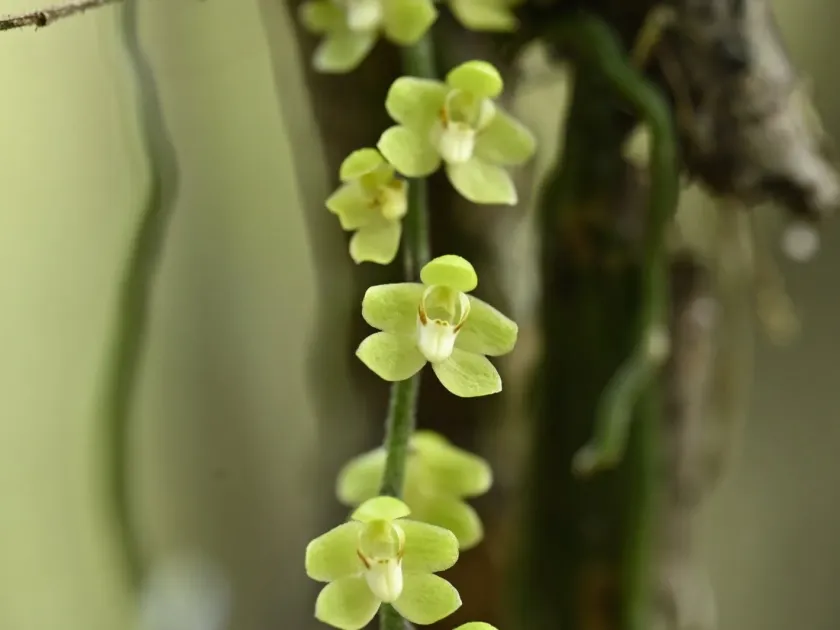
Chiloschista segawae is a fascinating species within the Orchidaceae family, recognized for its leafless habit. This orchid relies entirely on its thick, green, photosynthetic roots to thrive, as it lacks foliage to carry out traditional gas exchange and photosynthesis.
The plant is native to the tropical forests of Taiwan, where it grows as an epiphyte on tree trunks. Its natural habitat dictates its specific needs, including a high demand for air circulation and frequent moisture followed by rapid drying of the root system.
In cultivation, it is essential to mount this orchid on bark or similar supports rather than planting it in pots with substrate. This mimics its natural environment and ensures that the roots do not remain saturated, which is vital for preventing root necrosis.
The ideal temperature range for this species is between 22 and 26 degrees Celsius. Providing a drop in night temperatures is critical for the orchid's health and acts as a biological trigger for the development of its delicate, fragrant flower spikes.
Bright, filtered light is necessary for healthy growth. While the plant loves light, direct afternoon sun should be avoided as it can cause irreversible damage to the photosynthetic root tissues, leading to sunburn and severe dehydration.
Main diseases and pests
Common pests such as spider mites and scale insects pose a significant threat to Chiloschista segawae. These pests attach themselves to the roots, extracting nutrients and causing physical damage that often leads to secondary infections.
Fungal and bacterial rots are the most common diseases, usually triggered by poor airflow or stagnant water. If the roots remain wet for too long, the plant becomes highly susceptible to rapid decay, which can spread throughout the entire root mass.
Pest management should focus on non-toxic contact treatments, as the plant's roots are highly sensitive to harsh chemicals. Systematic monitoring is recommended to catch infestations early when they are still localized and manageable.
Proper water management is the primary defense against disease. Using high-quality, low-mineral water is essential to prevent salt accumulation, which can hinder root function and make the plant more vulnerable to pathogenic organisms.
Improving greenhouse or indoor conditions through the use of small fans can significantly reduce the risk of disease. Constant air movement ensures that moisture does not settle in the crevices between the roots, maintaining a healthy microenvironment.