
Chelonistele sulphurea
Chelonistele sulphurea
Description
Growing requirements
Chelonistele sulphurea is an exquisite species belonging to the Orchidaceae family. It is an epiphytic orchid native to the tropical rainforests of Southeast Asia, specifically found in the regions of Borneo and Malaysia, where it thrives at high elevations in cool, mist-covered environments.
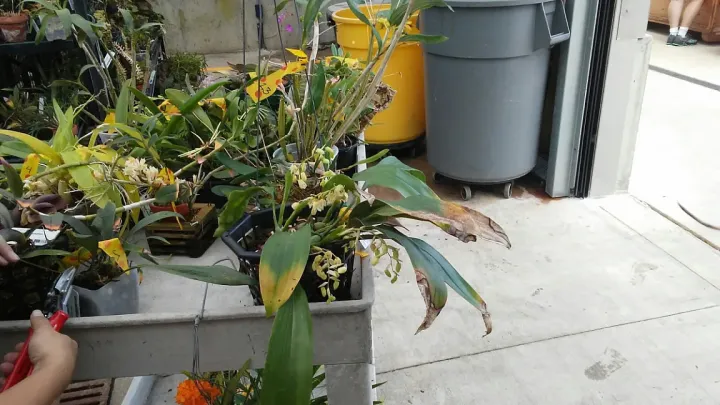
The plant exhibits a sympodial growth habit, featuring distinct, egg-shaped pseudobulbs that grow in close clusters. These pseudobulbs serve as vital water and nutrient storage organs, supporting the plant during periods when moisture levels fluctuate. Its leaves are leathery and evergreen, designed to withstand high humidity.
To successfully cultivate this orchid, one must replicate its natural high-altitude habitat. It requires a temperature range that is cool to intermediate, avoiding extreme heat. High ambient humidity, ideally between 70% and 80%, is essential for the healthy development of its root system and foliage.
The choice of substrate is critical. Being an epiphyte, it requires a free-draining medium. A mix of pine bark, charcoal, and sphagnum moss provides the necessary aeration and moisture retention. Regular, careful watering ensures that the roots stay moist but never waterlogged, preventing rot.
Bright, diffused light is the optimal lighting condition. Direct sunlight should be strictly avoided as it can cause chlorophyll degradation and severe leaf burns. Proper ventilation is equally important, as stagnant air often leads to the development of fungal pathogens and physiological stress.
Main diseases and pests
Root and crown rot are the primary threats to this orchid, usually caused by improper watering practices or insufficient air circulation around the base of the plant. If the potting medium becomes too compacted or stays saturated for too long, the root system will quickly deteriorate.
Pests such as scale insects and mealybugs can pose significant risks. They often shelter in the tight spaces between pseudobulbs, feeding on plant fluids. Early detection through regular monitoring and manual removal or the application of appropriate systemic insecticides can prevent severe infestations.
Spider mites are another common concern, especially when humidity levels are kept too low. These pests can rapidly weaken the plant, causing discoloration and leaf drop. Increasing local humidity and using horticultural oils or soaps are effective management strategies.
Mineral salt accumulation resulting from hard water usage can cause chemical stress, making the plant more susceptible to diseases. Using distilled, reverse-osmosis, or collected rainwater is strongly recommended to maintain root health over the long term.
Finally, keeping the growing area clean and isolating newly introduced plants helps prevent the spread of bacterial infections. Consistent maintenance and a stable growing environment are the most effective ways to ensure the longevity of this unique orchid species.