
Chamorchis alpina
Chamorchis alpina
Description
Growing requirements
Chamorchis alpina, commonly known as the dwarf orchid, is a fascinating member of the Orchidaceae family that thrives in high-altitude environments. It is strictly adapted to alpine meadows and limestone-rich soils, where temperatures remain cool throughout most of the growing season.
In terms of agricultural suitability, this species is not considered a crop. It requires a specific mycorrhizal association with soil fungi to survive, which makes standard cultivation techniques ineffective. Without these symbiotic fungi, the seeds cannot germinate and develop into mature plants.
The environmental requirements for Chamorchis alpina are extremely narrow. It demands excellent drainage and a neutral to slightly alkaline soil pH. Furthermore, it is highly sensitive to the presence of synthetic fertilizers, which can disrupt the delicate ecological balance with its fungal partners.
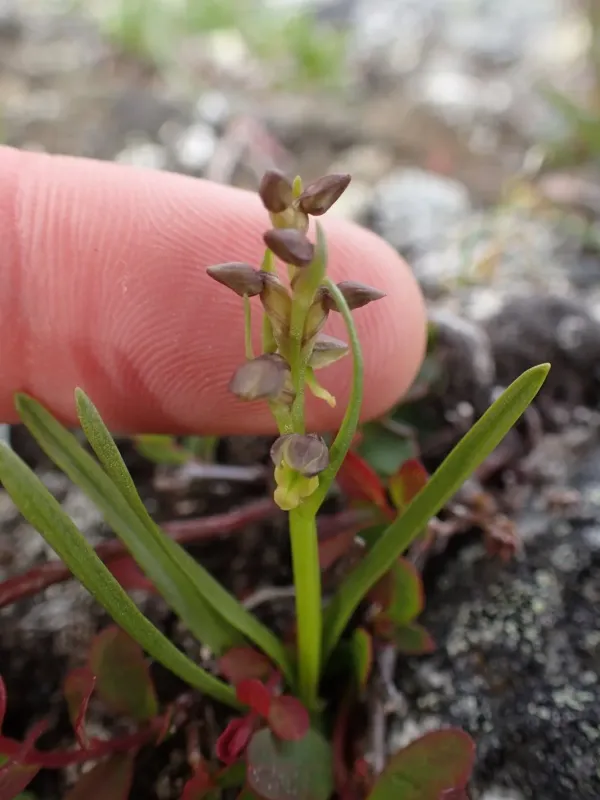
Botanically, this plant is characterized by its small stature, usually reaching only a few centimeters in height. It features narrow, grass-like leaves and a cluster of small greenish-yellow flowers. This low-profile morphology is a direct adaptation to the intense winds and cold temperatures of its alpine habitat.
The conservation and study of this plant are essential for maintaining mountain biodiversity. As a highly specialized species, it serves as a bio-indicator for the health of alpine grasslands, and its presence indicates a stable and undisturbed ecosystem, free from modern agricultural interference.
Main diseases and pests
The primary threats to Chamorchis alpina include climate change, which threatens to alter the moisture regimes and temperature patterns of its habitat. As alpine zones warm, competing vegetation can outpace this orchid, leading to habitat fragmentation and loss of population.
Additionally, the plant is susceptible to various fungal pathogens when humidity levels are consistently too high, particularly during delayed spring melts. Anthropogenic activities, such as mountain tourism and overgrazing in delicate alpine zones, pose further risks to the physical integrity of its rooting environment.