
Chamisso arnica
Arnica chamissonis Less.
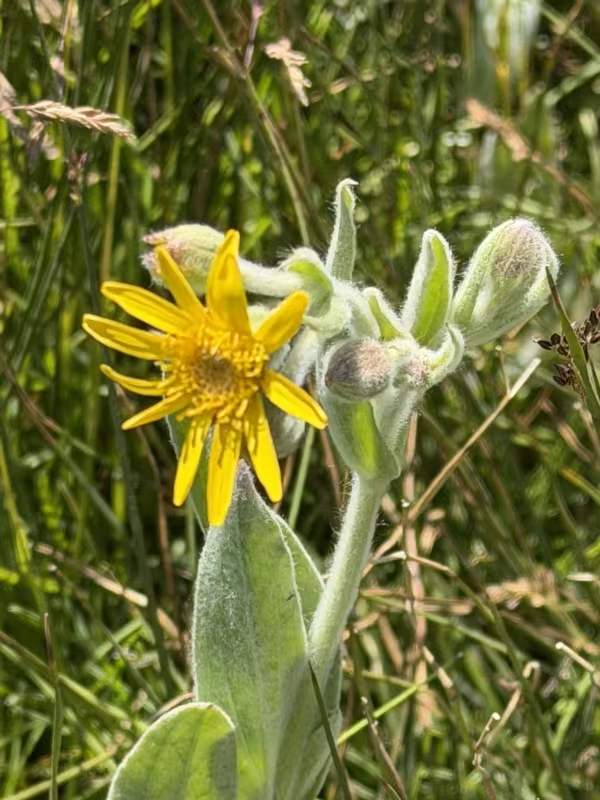
Description
Sowing dates
Chamisso arnica (Arnica chamissonis) is a perennial herbaceous plant from the Asteraceae family, increasingly recognized for its medicinal value and adaptability to commercial cultivation. Seeds are typically sown in early spring or late autumn, with cold stratification often required to ensure high germination rates.
The seeds are small and require a shallow sowing depth of about 0.5 to 1 centimeter. For optimal results, use a well-prepared, fine-textured seedbed to ensure proper soil contact. Maintaining consistent soil moisture during the germination phase is critical, as seedlings are sensitive to surface drying.
Row planting is standard for large-scale operations, with spacing between rows typically ranging from 45 to 60 centimeters. This setup facilitates efficient weed control, as the plants develop slowly during their first year and can easily be outcompeted by weeds in the early stages of establishment.
Transplanting seedlings is a viable alternative to direct seeding, often leading to more uniform stands and earlier maturation. Seedlings should be moved to the field after the danger of frost has passed, ideally when they have developed three to four true leaves to ensure vigorous root development.
Proper plant spacing within the row, approximately 20–25 centimeters, is essential to minimize competition for nutrients and water. Adequate air circulation between plants is also vital for preventing diseases, especially in regions with high humidity levels during the summer growing season.
Growing requirements
This species performs best in full sun, as shading significantly reduces the concentration of active medicinal compounds in the flowers. While Chamisso arnica is hardy, it thrives in regions with moderate temperatures and reliable moisture, showing resilience to minor fluctuations in climatic conditions.
The ideal soil for this crop is light, well-drained, and slightly acidic to neutral in pH. Avoid heavy, poorly drained clay soils where water stagnation can cause root rot, especially during the dormant winter months when the plant is most vulnerable to moisture-related diseases.
Organic soil amendments, such as well-rotted compost, should be incorporated during the pre-planting phase to enhance soil structure and fertility. Subsequent mineral fertilization, focused on phosphorus and potassium, encourages stronger bloom production and improves the overall resilience of the plant.
Irrigation management is a crucial factor in successful cultivation. Supplemental watering is highly recommended during the budding and flowering phases to prevent premature blossom drop and to maximize the yield of high-quality medicinal flowers during dry spells.
Integrated field management should include thoughtful crop rotation strategies. Avoid planting arnica in sites previously occupied by other members of the Asteraceae family or in fields heavily infested with perennial weeds, which are difficult to control without impacting the health of the arnica crop.
Yield
The economic yield of Chamisso arnica varies depending on plant age and management intensity. Under optimal conditions, a commercial plot can produce between 400 to 800 kilograms of dried flowers per hectare, with peak production occurring during the third and fourth years of the plantation life cycle.
Harvest frequency is the primary determinant of total yield. Because flowering occurs over an extended period, multiple selective harvests are necessary to capture the flowers at their peak medicinal potency, which prevents losses from over-mature, non-viable blossoms.
The processing ratio from fresh flowers to dried product is typically around 4:1. Efficient logistics are required to move fresh harvest to drying facilities quickly, as the high water content of fresh flowers makes them prone to spoilage and quality loss if stored in bulk for even short periods.
Quality control remains the most important factor for marketability. High-quality samples must be free of debris, leaves, and discolored petals. Meeting rigorous pharmaceutical standards allows growers to command premium prices, making this crop a profitable option for small to medium-scale herbal farms.
Renewing the plantation every five years is standard practice to maintain high yield levels. As plants age, their vigor and flower production typically decline, necessitating periodic replanting or the establishment of new plots to keep the farm output consistent and high-quality.
Main diseases and pests
Fungal diseases present the most significant threat to Chamisso arnica, especially in humid or poorly ventilated planting environments. Root rot and powdery mildew are common issues that require prompt attention, typically managed by improving drainage and reducing plant density to allow for better airflow.
Pests such as aphids and various plant bugs can cause significant damage by feeding on young buds. Such damage often leads to deformed flowers that are unsuitable for commercial use. Integrated pest management, favoring biological controls and minimal chemical intervention, is preferred to ensure a clean product.
Soil-dwelling larvae, such as wireworms, can damage the root systems of mature plants, potentially leading to wilting and reduced plant vigor. Field surveys before planting can help identify high-risk areas, allowing for preventive soil management or the selection of safer locations.
Preventive maintenance, including the removal and disposal of infected plant material, is essential to minimize the spread of pathogens. Keeping the plantation weed-free also reduces the reservoir for pests and diseases, creating a healthier microclimate for the arnica plants to flourish.
Vigilance and regular field monitoring allow for early detection of potential outbreaks. Maintaining strong plant health through balanced nutrition and proper water management provides the best natural defense against the typical biotic stresses encountered by this medicinal herb in a field setting.
Harvesting
The harvest of Chamisso arnica is an intensive manual task that requires timing and precision. Flowers should be picked when the yellow ray florets are fully expanded, indicating that the concentration of essential active compounds is at its highest point for therapeutic use.
Harvesting is performed in several passes, usually spaced 3 to 4 days apart, to ensure the collection of only the most mature blossoms. It is crucial to handle the flowers gently during collection to avoid bruising or crushing, which can lead to oxidation and loss of essential oils.
Immediate post-harvest processing in a well-ventilated drying facility is vital for product quality. Drying temperatures should be maintained between 40 and 45 degrees Celsius. This range is sufficient to remove excess moisture while preserving the medicinal properties and natural color of the flowers.
Once dried, the flowers should be sorted to remove any extraneous plant parts, such as stem fragments or fallen leaves. Proper cleaning ensures the final product meets the specifications required by buyers, such as cosmetic manufacturers or pharmaceutical companies that demand pure, high-grade floral material.
Long-term storage should be in dry, cool, and dark conditions using airtight or paper packaging to protect the product from light and humidity. Adherence to these storage guidelines prevents degradation and ensures that the arnica retains its active properties throughout its shelf life.