
Arnica montana
Arnica montana L.
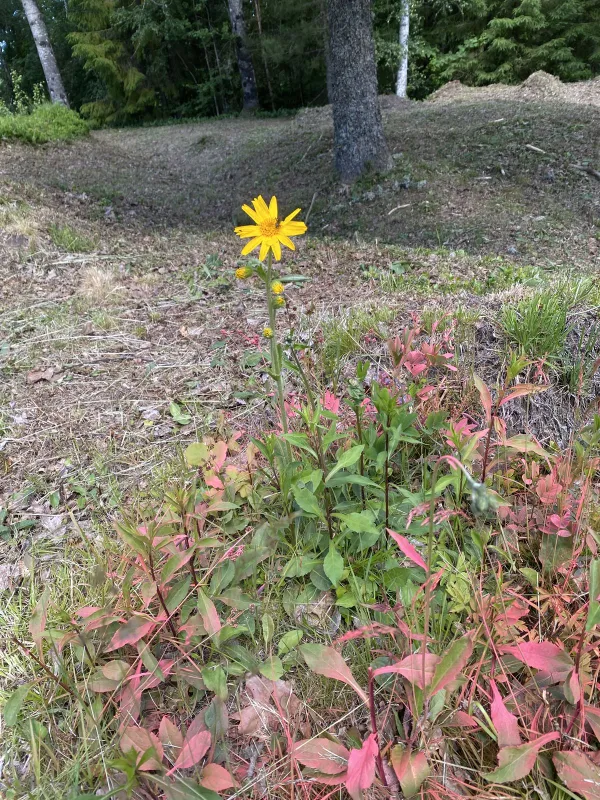
Description
Sowing dates
Arnica montana is a perennial herb belonging to the Asteraceae family, valued for its therapeutic properties and requiring specific conditions for seed germination.
The most reliable method for establishing a field is late-autumn sowing, which allows the seeds to undergo natural cold stratification throughout the winter.
If spring sowing is preferred, seeds must be artificially stratified at temperatures between 0 and 5 degrees Celsius for at least 45 days before planting.
Sowing should be performed on a shallow depth of no more than 1 cm in well-drained, acidic soil to ensure the best germination rates.
During the first growing season, the plant develops slowly, focusing its energy on forming a basal rosette, which makes weed control essential.
Growing requirements
Arnica montana thrives in cool, humid environments typical of mountainous or high-altitude regions, reflecting its natural habitat.
The plant strictly requires acidic soil with a pH ranging from 4.5 to 6.0; growth is severely inhibited in neutral or alkaline soil conditions.
Soil structure should be light and organic-rich with excellent drainage, as the species is highly susceptible to root rot in waterlogged environments.
Excessive nitrogen fertilization should be avoided, as it can lead to succulent, weak growth and a reduction in medicinal compound concentrations.
Full sun is ideal, although partial shade can be beneficial in warmer latitudes to prevent soil overheating and moisture loss.
Yield
Economic yields of Arnica montana flowers typically begin in the second or third year of cultivation, following the establishment of healthy plants.
An average hectare can produce between 300 to 600 kilograms of dried flowers, provided that optimal site conditions and management are maintained.
The yield quality depends heavily on the timing of the harvest and the care taken during the post-harvest drying process to preserve active ingredients.
A well-maintained plantation can remain productive for up to five years before a decline in vigor necessitates crop rotation and site renewal.
Regular maintenance, including light weeding and careful moisture management, is key to maximizing the quantity and quality of the flower harvest.
Main diseases and pests
Fungal diseases are the primary threats to Arnica montana, especially powdery mildew, which spreads rapidly in high-humidity conditions.
Root rot, often caused by poor drainage or overwatering, is the most common cause of plant loss in commercial plantations.
Pests like aphids can cause minor damage to young foliage, while various soil-dwelling insects may impact the overall health of the root system.
Prevention involves maintaining proper plant spacing to ensure airflow and avoiding any stagnation of water within the planting area.
Integrated pest management strategies focusing on hygiene and early detection are crucial for maintaining the health of the medicinal crop.
Harvesting
Harvesting should occur when the flower heads are fully open, as this is when the concentration of essential oils and flavonoids is at its peak.
Flowers are typically picked by hand or using specialized combs, collecting the heads with a very short stem (1-2 cm) to ensure high product purity.
Immediate drying is essential; the flowers should be spread in thin layers in a shaded, ventilated area or in dryers at temperatures up to 45 degrees Celsius.
Exposure to direct sunlight must be avoided during the drying process to prevent the degradation of medicinal compounds and discoloration.
Final storage should be in a dry, cool, and dark place using breathable packaging to maintain the medicinal efficacy and aromatic properties of the arnica.