
Ceriops decandra
Ceriops decandra
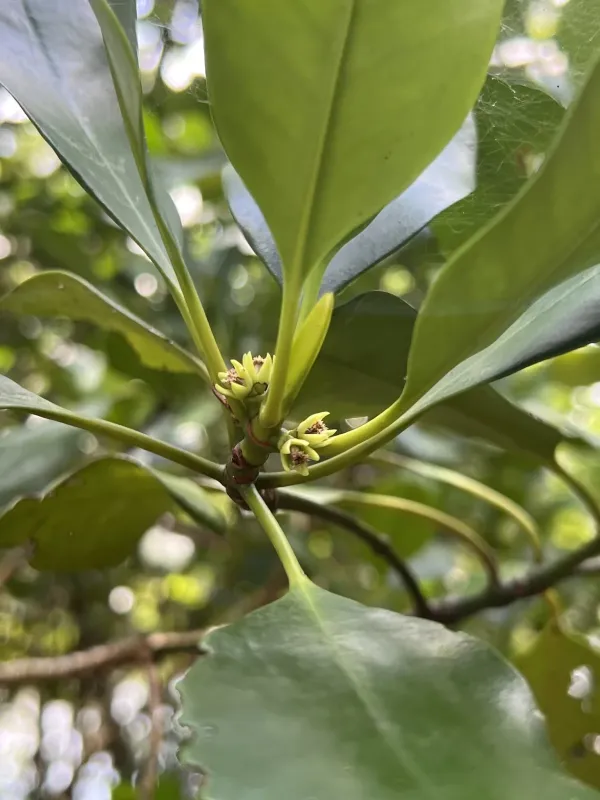
Description
Growing requirements
Ceriops decandra is a prominent mangrove species belonging to the Rhizophoraceae family. It is widely distributed across the tropical coastal zones of Asia and Oceania, where it thrives in brackish environments that are periodically inundated by sea tides.
The cultivation of this species depends on specific environmental conditions, primarily warm tropical temperatures and soft, sediment-rich soil. It is highly tolerant to salinity, using complex physiological mechanisms to exclude or sequester salt within its tissues.
Botanically, the plant is characterized by its small, evergreen leaves and distinctive knee-like root projections. These roots are essential for survival in waterlogged, anaerobic mud, allowing the tree to breathe despite being submerged during high tide.
The reproductive strategy is viviparous, meaning the seeds germinate while still attached to the parent tree. These propagules are hydrochorous, designed to float efficiently until they settle into the mud to begin independent growth.
The economic value of this tree is largely attributed to its bark, which is exceptionally rich in tannins. These natural compounds are highly sought after for leather tanning, medicine, and as an ingredient in durable, weather-resistant wood preservatives.
Main diseases and pests
The most significant threat to the survival of Ceriops decandra is the widespread deforestation of mangrove areas for commercial development. The conversion of these coastal zones into shrimp farms leads to catastrophic habitat fragmentation.
Boring insects represent a major biological threat, as they tunnel into the trunk and stems. These pests can significantly weaken the structural integrity of younger trees, leaving them prone to snapping during storms or high wind events.
Pathogenic fungi can infect the roots or stems if the plant is stressed by pollution or changes in water flow. Once established, these diseases can spread rapidly through a forest stand, potentially causing localized extinction of the population.
Chemical contamination, specifically from agricultural runoff or industrial waste, disrupts the delicate balance of the salt marsh ecosystem. Excess nutrients can trigger algal blooms that reduce oxygen levels, causing severe stress to the sensitive root system.
Rising sea levels due to climate change are forcing mangroves to migrate inland. If the coastline is blocked by urban infrastructure, the trees have no room to retreat, leading to "coastal squeeze" and a net loss of healthy forest acreage.