
Ceratocentron fesselii
Ceratocentron fesselii
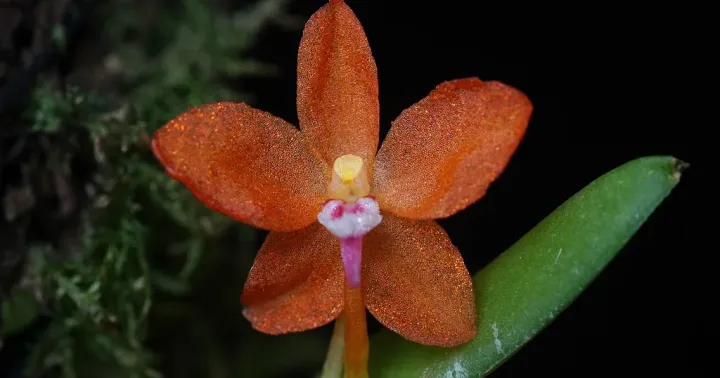
Description
Growing requirements
Ceratocentron fesselii is a rare and highly sought-after epiphytic orchid species belonging to the Orchidaceae family. It is endemic to the Philippines, where it thrives in the canopy of humid montane forests, adapting to environments with constant moisture and moderate light levels.
To successfully cultivate this orchid, one must replicate its natural montane climate. This involves maintaining high ambient humidity levels, ideally between 75% and 85%, and ensuring that the plant receives plenty of fresh air movement to prevent the development of stagnant air pockets.
Temperature management is critical for the health of Ceratocentron fesselii. It prefers intermediate temperatures ranging from 20°C to 25°C during the day, with a distinct drop of about 5–7 degrees at night. This diurnal temperature variation is essential for the plant's metabolic processes and flowering induction.
Given its epiphytic nature, this orchid should not be planted in traditional soil-based potting mixes. Mounting the plant on cork bark or hardwood slabs is the preferred method, allowing the roots to dry out relatively quickly after watering while still retaining necessary moisture.
Light intensity should be bright but filtered. Direct sunlight will cause the leaves to scorch, leading to tissue damage and vulnerability to infections. In indoor collections, placing the orchid in a well-lit spot away from direct beams or providing artificial LED growth lights is recommended.
Main diseases and pests
The most significant threats to the plant's health are fungal and bacterial rots, often caused by overwatering or poor ventilation. If the roots remain wet for extended periods, they quickly lose their ability to absorb nutrients, leading to a rapid decline of the specimen.
Common orchid pests, including spider mites and scale insects, frequently target this species, especially in dry conditions. Regular monitoring of the underside of the leaves and the base of the plant is vital. If an infestation occurs, manual removal or application of a mild, orchid-safe insecticide is necessary.