
Cephalophyllum tricolorum
Cephalophyllum tricolorum
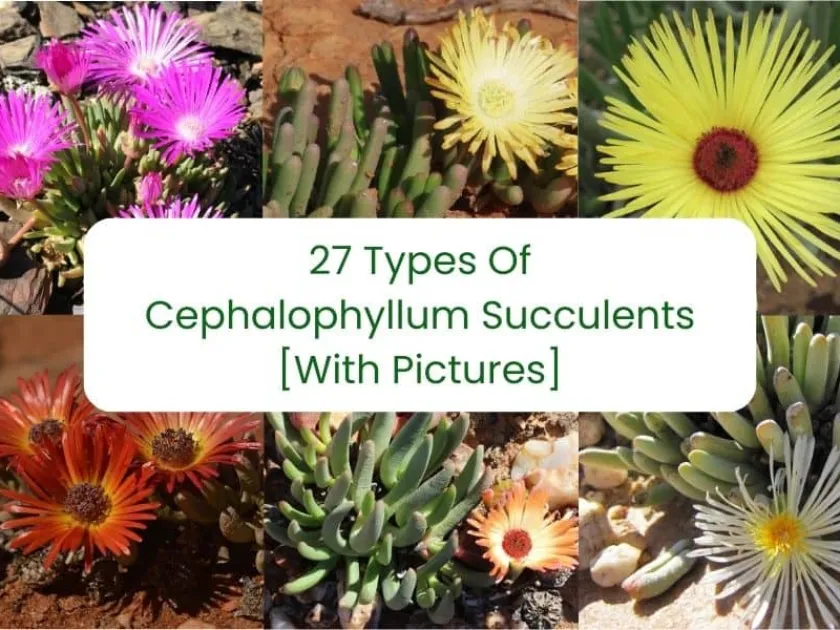
Description
Sowing dates
Cephalophyllum tricolorum is a member of the Aizoaceae family, widely recognized for its adaptation to arid desert climates. Seeds should be sown in late winter or early spring to ensure robust growth during the warmer months.
The ideal substrate is a fast-draining mix comprising sand and fine gravel. Surface sowing is recommended, followed by a light covering of sand to provide optimal conditions for germination at temperatures around 20-25 degrees Celsius.
Maintenance of moderate humidity during the initial germination phase is crucial, but it must be tapered off rapidly once the seedlings develop their first true leaves.
Acclimatization to full sunlight should be performed gradually over several weeks to prevent sunburn on the young, sensitive tissues of the succulent seedlings.
Propagation through stem cuttings is an alternative to seeding, providing a reliable method for expanding plant numbers with high uniformity in growth rates and quality.
Growing requirements
As a native of South African arid regions, this plant requires high solar radiation and low soil moisture levels to thrive and maintain its natural morphology.
Soil structure is paramount: it must be porous and inorganic-heavy to prevent waterlogging. The addition of pumice or perlite into the growing medium is standard practice in professional cultivation.
Temperatures should be kept stable during the growing season. During the winter dormancy period, the plant benefits from a "cool and dry" approach, mimicking its natural ecological niche.
This succulent is primarily utilized for landscape stabilization in arid zones or as a decorative specimen due to its unique growth pattern and aesthetic appeal during flowering.
Proper airflow is a critical agrotechnical requirement, as stagnant air increases the risk of microbial infections and inhibits the plant's metabolic processes.
Main diseases and pests
Root rot and crown rot are the primary threats, predominantly caused by excessive watering or poor drainage during cooler or overcast weather cycles.
Pests such as spider mites and mealybugs can infest the succulent, particularly in indoor conditions or greenhouses where natural predators are absent.
Integrated pest management, including regular inspection and the use of targeted biological controls, is preferred over aggressive chemical applications that may harm the plant.
If fungal infection is detected, the affected plant should be immediately repotted in dry, sterile substrate, and the roots should be inspected and pruned if necrotic.
Maintaining a clean growing environment by removing dead foliage and ensuring proper spacing between plants helps to minimize the spread of common succulent pathogens.