
Cephalophyllum alstonii
Cephalophyllum alstonii
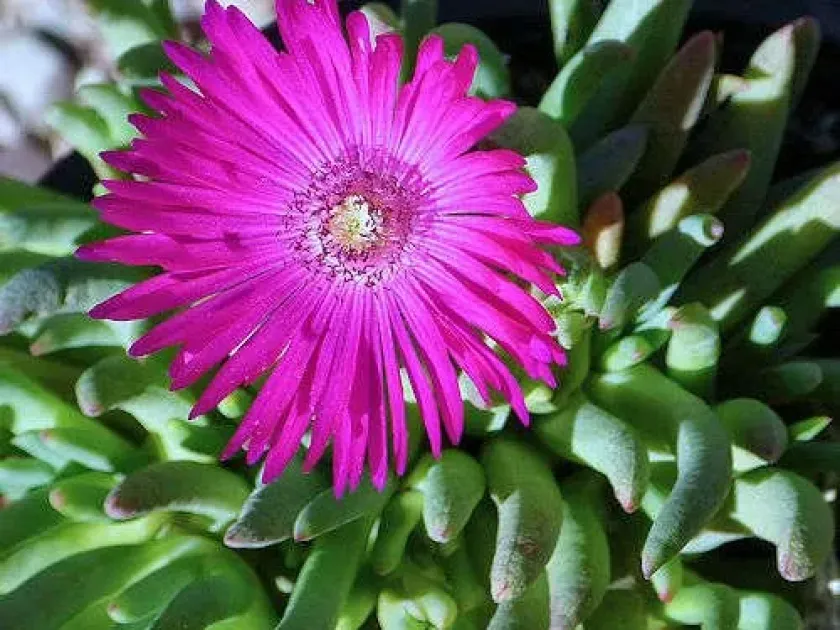
Description
Sowing dates
Propagation of Cephalophyllum alstonii is most successful when performed from seeds during the spring season to maximize growth duration.
The seeds should be sown in a well-draining, sandy mineral substrate while maintaining a consistent temperature between 20 and 25 degrees Celsius.
Vegetative propagation via stem cuttings is also a common and effective technique used to multiply mature plants throughout the growing season.
Young seedlings require careful moisture management, as they are highly susceptible to damping-off diseases if the soil remains excessively wet.
Using a sterile growing medium is essential to prevent fungal infections that can easily destroy delicate succulent seedlings during their first weeks.
Growing requirements
As a member of the Aizoaceae family, Cephalophyllum alstonii is native to the arid environments of South Africa, adapted to survive long droughts.
The species requires bright, direct sunlight to maintain its compact growth habit and to trigger the development of its vibrant, showy flowers.
Cultivation requires specialized succulent soil mixes that are porous, fast-draining, and rich in grit to prevent root zone suffocation.
Watering frequency must be adjusted according to the seasons, providing moderate irrigation in summer and a dry resting period during winter.
Proper airflow is crucial for this plant to thrive, as it helps regulate temperature and prevents the buildup of excess humidity in the foliage.
Main diseases and pests
The primary concern for Cephalophyllum alstonii is root rot, which is almost exclusively caused by overwatering or poorly draining soil conditions.
Mealybugs are the most common pests that thrive in the crevices of the fleshy leaves, requiring diligent monitoring and manual intervention.
Spider mites can occasionally infest the plant under hot and dry conditions, necessitating a gentle misting or specific acaricide treatments.
Integrated pest management strategies, such as maintaining good hygiene and avoiding overcrowding, are effective in preventing major infestations.
If symptoms of decline appear, it is recommended to inspect the root system immediately to determine if repotting into fresh dry soil is required.