
Centroglossa macroceras
Centroglossa macroceras
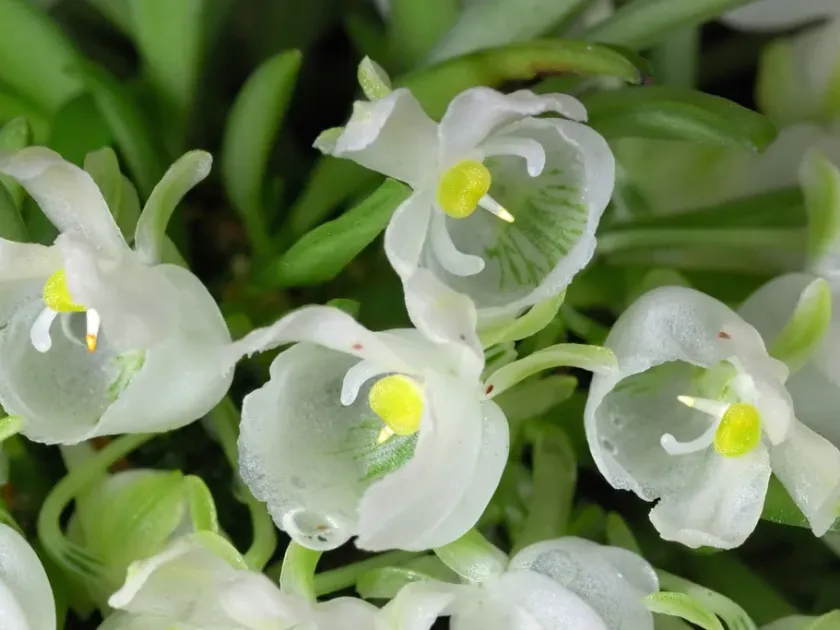
Description
Growing requirements
Centroglossa macroceras is a unique orchid species belonging to the Orchidaceae family, native to the tropical forests of South America. It is an epiphytic plant that naturally develops on tree branches, thriving in high-humidity environments.
The botanical structure includes small, compact pseudobulbs that store water and nutrients, supporting the plant during changing environmental conditions. Its leaves are typically narrow and elongated, characteristic of many epiphytic orchids adapted to filtered forest light.
For successful cultivation, the plant requires a temperature range of 18–24°C and high ambient humidity levels. Proper air ventilation is essential to mimic the natural movement of air in the forest canopy and to prevent stagnant conditions around the root system.
The choice of medium is crucial; an orchid-specific mix consisting of pine bark, perlite, and sphagnum moss provides the necessary aeration. Frequent but careful watering, allowing the roots to dry slightly between sessions, helps maintain long-term plant health.
Bright, indirect light is the gold standard for this species. Direct sunlight should be strictly avoided as it can cause chlorophyll degradation and severe leaf burns, significantly weakening the plant's metabolic processes.
Main diseases and pests
The primary pests affecting this crop include spider mites and mealybugs, which thrive in low-ventilation environments and protected glasshouse conditions.
Excessive moisture retention in the growing media often leads to root rot and fungal infections of the pseudobulbs, necessitating the use of specialized fungicides and immediate repotting.