
Cavanillesia arborea
Cavanillesia arborea
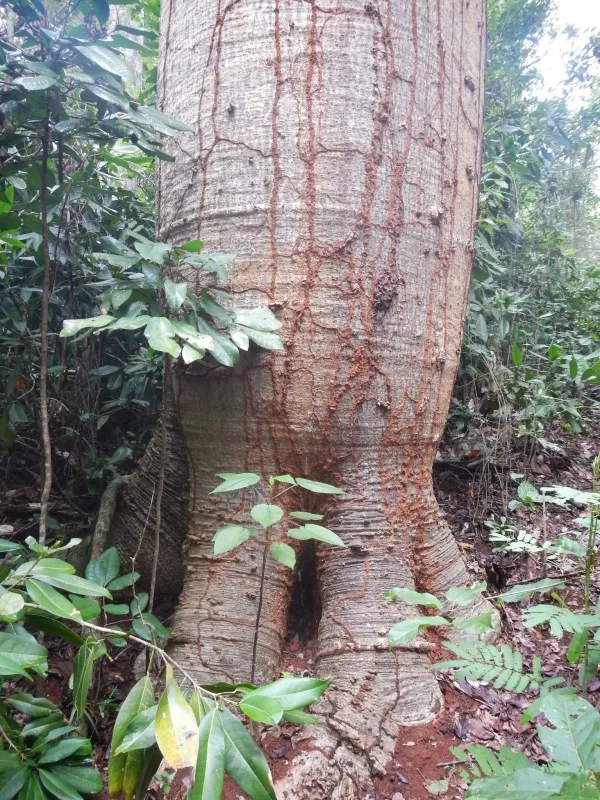
Description
Sowing dates
The propagation of Cavanillesia arborea is best achieved through seed sowing at the onset of the rainy season. This timing ensures sufficient moisture levels for rapid germination and root establishment.
Seeds of this species have a limited shelf life and should be sown as soon as possible after harvest. A well-drained substrate, such as a sandy loam mix, is essential to prevent water stagnation around the seeds.
In nursery conditions, seeds are planted in individual containers to minimize root disturbance later on. A stable temperature of at least 25 degrees Celsius is required to maintain a high germination rate.
Seedlings are ready for field transplanting once they reach a height of 30–40 centimeters. Hardening off the plants in a shaded area before moving them to full sun is a recommended practice for better survival.
Planting density must be carefully managed to ensure each tree receives adequate solar radiation, which is vital for the development of its characteristic swollen, succulent-like trunk.
Growing requirements
Cavanillesia arborea, a member of the Malvaceae family, is native to the Caatinga biome, making it highly tolerant of extreme heat and prolonged droughts. It is adapted to thrive in harsh environments.
The species prefers well-drained, nutrient-poor, sandy or stony soils. Any accumulation of stagnant water around the root zone is detrimental and may lead to root rot and premature death of the plant.
Full sun exposure is non-negotiable for this species. Insufficient light results in etiolated growth, weakening the structural integrity of the trunk and making the tree susceptible to mechanical damage.
The ideal temperature range is between 22 and 35 degrees Celsius. During the dry season, the tree undergoes a dormant period, shedding its leaves to minimize water loss through transpiration.
Fertilization should be kept to a minimum to avoid promoting succulent but weak tissue growth. An occasional application of a balanced, low-nitrogen fertilizer can support overall tree health during the growth phase.
Yield
The primary economic value of the tree lies in its unique, lightweight wood, which is sought after for crafting and decorative purposes. The growth rate of the trunk depends heavily on the seasonal rainfall.
While not suitable for heavy construction, the wood is highly valued in artisan industries due to its low density and interesting texture. The tree biomass accumulates slowly compared to fast-growing timber species.
Seed yields can be variable, depending on climatic conditions during the flowering period. Careful management of mother trees is necessary to ensure consistent seed production for nursery operations.
The bark of the tree has historically been utilized in local traditional crafts. Sustainable harvesting practices are essential to ensure the longevity of the individual tree and the surrounding population.
As the plant is essentially a drought-resistant crop, its agricultural potential lies in marginal lands where water-demanding crops cannot survive, making it an important species for reforestation projects.
Main diseases and pests
Fungal pathogens represent the most significant threat to the tree, particularly when soil moisture levels are not managed correctly. Root and collar rots are common causes of seedling failure.
Wood-boring beetles and other pests can infest the soft, porous wood of the trunk, creating internal channels that weaken the tree structure and leave it vulnerable to high winds.
Defoliating insects can occasionally cause damage to the canopy during the active growing season. While generally not fatal, severe infestations can significantly slow down the growth rate of the tree.
Integrated pest management, including regular inspections and the use of targeted biological controls, is effective in preventing widespread outbreaks within a cultivated stand.
Good agricultural hygiene, such as removing debris from around the base of the trees and ensuring proper spacing for air circulation, is the most effective preventative measure against disease.
Harvesting
Harvesting wood is only performed on mature specimens that have reached the desired trunk diameter. Care must be taken during felling or pruning due to the fragile nature of the plant's timber.
Fruit harvesting occurs once the pods turn brown and begin to split, indicating that the seeds inside are fully mature and viable for propagation or sale.
After collection, seeds must be processed immediately by removing the outer husks and drying them in a cool, shaded environment to preserve their viability for long-term storage.
Bark harvesting must be done using techniques that do not ring-bark the tree, as this disrupts the flow of nutrients and can kill the specimen over time if the wound is too deep.
Post-harvest handling of all products requires protection from humidity to avoid microbial growth. Proper storage in ventilated conditions is essential to maintaining the quality of the harvested materials.