
Caustis blakei subsp macrantha
Caustis blakei subsp macrantha
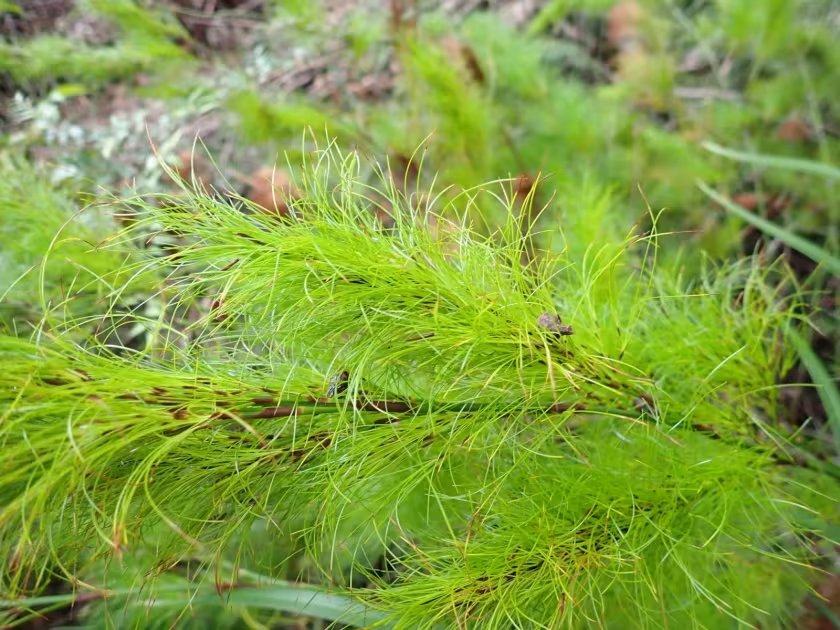
Description
Sowing dates
Propagation of this culture in agricultural settings is primarily performed through the division of rhizomes, which ensures the maintenance of genetic purity and robustness.
Spring is the ideal period for vegetative propagation, as the plant initiates active growth, allowing root systems to establish quickly in new soil.
Seed propagation is possible but requires a simulated winter stratification process to overcome dormancy, typical for many plants native to Australian ecosystems.
When sowing, it is crucial to use a substrate with a high sand content to mimic the natural soil conditions of the species and prevent damping-off diseases.
Adequate space between plants must be provided to accommodate the horizontal expansion of the rhizome system and to ensure proper airflow for young specimens.
Growing requirements
Caustis blakei subsp macrantha belongs to the Cyperaceae family and is native to the eastern regions of Australia, where it thrives in specific ecological niches.
The plant demands well-drained, nutrient-poor, and sandy soils; excessive fertilization is often detrimental and leads to abnormal growth patterns.
It prefers full sun exposure, which is necessary for the development of its rigid, aesthetic stems and the overall health of the vegetative structure.
While mature plants exhibit remarkable drought tolerance, young crops require consistent moisture during their initial establishment phase to prevent dehydration.
The climate must be temperate to subtropical, as the species is highly sensitive to frost and extreme cold, requiring protective measures in colder latitudes.
Yield
The economic value of this crop is primarily found in the ornamental plant industry, where it is utilized for both live landscaping and dried floral arrangements.
Yield estimation is focused on the density of the clumps and the length of the stems, which are key indicators of quality for nursery market supply.
The plant is highly regarded for its architectural form, making it a sought-after component in professional landscaping projects that aim to utilize native-style vegetation.
Market demand is driven by the growing popularity of xeriscaping and sustainable gardens that rely on low-maintenance, drought-resistant species.
Production efficiency can be optimized by controlling light intensity and utilizing specialized containers that prevent excessive rhizome entanglement.
Main diseases and pests
Root rot, induced by poor drainage or excessive soil moisture, constitutes the primary biological threat to the health and vitality of the culture.
Pests such as mealybugs and spider mites can infest the plant, particularly in sheltered or greenhouse environments where natural predators are absent.
Invasive weeds pose a significant challenge, competing for space and resources, necessitating a proactive and consistent weed management strategy.
Fungal infections can spread rapidly if air circulation is compromised, making it essential to monitor for leaf spotting and stem discoloration regularly.
Environmental stress, including unexpected drops in temperature, can lead to tissue damage and a significant decline in the decorative quality of the plant.
Harvesting
Harvesting of the stems intended for decorative use occurs when the growth has stabilized and the foliage has achieved its characteristic texture.
Hand-cutting methods are strictly preferred to ensure precision and to avoid damaging the crown of the plant, which is vital for regeneration.
Post-harvest processing involves air-drying the collected stems in a dark, well-ventilated room to preserve the natural pigmentation and physical integrity.
Proper sorting by height and thickness is conducted after drying to meet the specific requirements of florists and designers involved in high-end arrangements.
Ensuring that moisture levels remain low during storage is critical to prevent the growth of molds and to extend the shelf life of the harvested product.