
Blue cohosh
Caulophyllum thalictroides
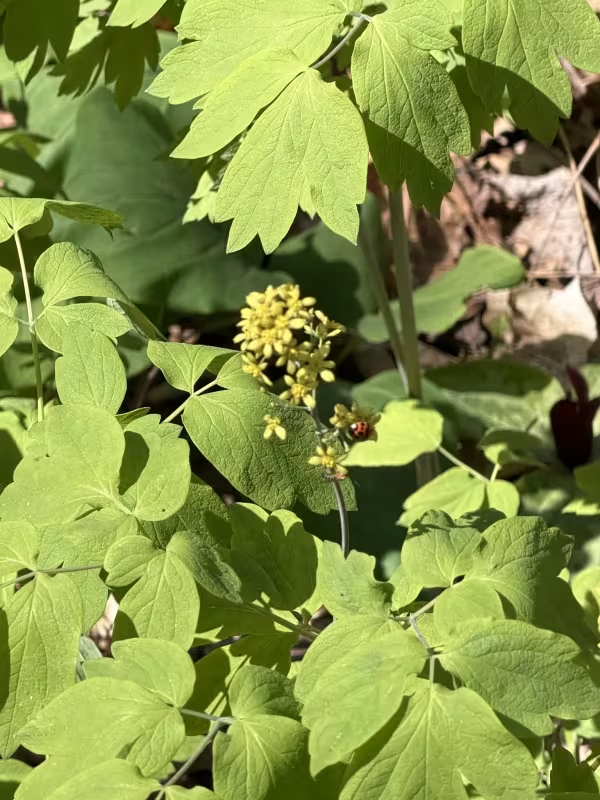
Description
Sowing dates
Blue cohosh (Caulophyllum thalictroides) is a perennial herbaceous plant belonging to the Berberidaceae family, native to the deciduous forests of North America.
The plant is typically propagated by seeds or through the division of rhizomes. Seeds exhibit dormancy and require a period of cold stratification to break it.
Direct outdoor sowing is recommended during the autumn months to allow for natural cold treatment through winter, resulting in germination in the following spring.
When starting from seeds indoors, pots should be kept in cold frames or refrigerators to mimic natural winter conditions before being moved to warmer areas.
Division of the rhizome is a preferred propagation method for commercial growers, which should be performed during the dormant season, preferably in early spring.
Growing requirements
Blue cohosh thrives in shaded or semi-shaded environments, ideally replicating the floor of a forest where it is protected from harsh, direct sunlight.
The soil should be rich in organic matter, moist, and well-draining, with a slightly acidic to neutral pH level for optimal development.
Adequate moisture is critical for the survival of the plant; however, the soil must never be waterlogged, as this leads to the rotting of the root system.
Applying a layer of leaf mulch around the plants helps to retain moisture in the soil, suppresses weed growth, and improves the overall quality of the humus layer.
The plant is highly hardy and adapted to temperate climates, allowing it to withstand freezing winter temperatures when properly established in the ground.
Yield
The plant is primarily cultivated for its rhizomes, which contain biologically active alkaloids and are utilized in various pharmaceutical and herbal applications.
Commercial yields are generally achieved after 4 to 5 years of growth, as the plant grows slowly and requires time to develop a substantial root mass.
Consistent irrigation and proper soil fertilization are essential factors that influence the final biomass harvest per square meter of land.
Productivity can be maximized by ensuring an ideal planting density that allows for both root development and effective management of the cultivated plot.
Due to the slow growth rate of the species, long-term planning is essential to ensure a continuous supply of medicinal plant materials for market demand.
Main diseases and pests
Blue cohosh is generally robust; however, it is susceptible to fungal infections of the roots if the drainage system on the site is inadequate or poor.
Slugs and snails are the most common pests, particularly affecting young, tender leaves in the early spring during the emergence phase of the plant.
Regular monitoring and the removal of garden debris can help reduce the population of these pests and mitigate the risk of damage to the foliage.
Proper spacing between individual plants is necessary to promote air circulation, which helps prevent the development of leaf spot and other fungal diseases.
Chemical intervention should be avoided where possible, focusing instead on integrated pest management and maintaining overall garden hygiene to protect the crop.
Harvesting
Harvesting takes place during the autumn season once the foliage has turned yellow and withered, indicating that the nutrients have been stored in the rhizomes.
Rhizomes are carefully excavated from the ground, ensuring they are not broken, then cleaned thoroughly to remove any clinging soil or organic matter.
The roots must be dried promptly after harvest in a well-ventilated, shaded area or a mechanical dryer at controlled temperatures up to 45 degrees Celsius.
Quality control during drying is essential to prevent mold growth, which can destroy the medicinal value of the final herbal product.
Once dried, the rhizomes should be stored in a cool, dry, and dark environment to maintain the potency of the chemical compounds for their intended use.