
Blue cohosh
Caulophyllum robustum
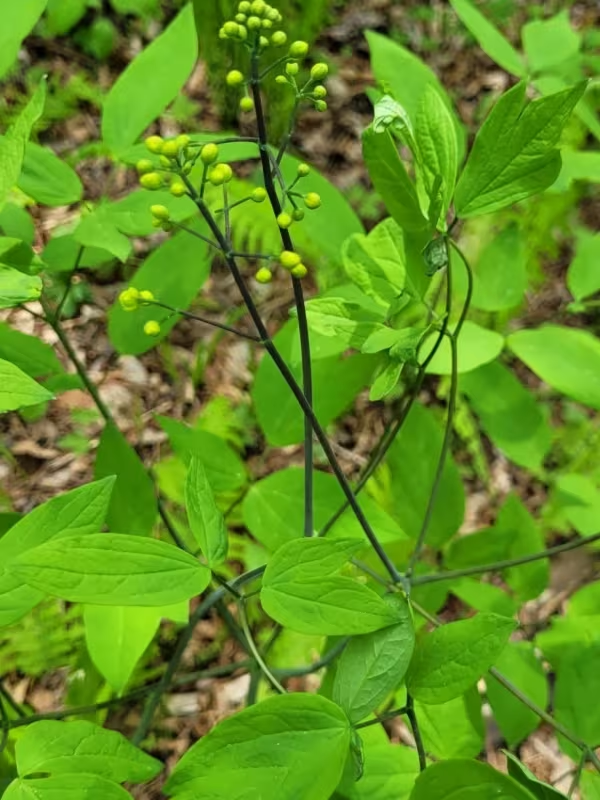
Description
Sowing dates
Propagation is generally performed via seed or division of the rhizomes. Seeds exhibit deep dormancy and require a prolonged stratification period at cold temperatures to germinate effectively.
For best results, seeds should be sown in the fall, allowing them to undergo natural overwintering. This process breaks dormancy and ensures uniform germination in the following spring.
Rhizome division is the preferred method for faster propagation. It should be conducted while the plant is dormant, either in very early spring or late autumn, ensuring each piece has healthy buds.
Spacing between plants should be approximately 30–40 cm to allow for adequate airflow and expansion of the underground root system over several years.
After planting, applying a layer of organic mulch, such as leaf mold, helps retain soil moisture and maintains the temperature stability required for healthy growth.
Growing requirements
Blue cohosh (Caulophyllum robustum) is a perennial herbaceous plant belonging to the Berberidaceae family. It is a shade-loving species native to the forest floors of East Asia, thriving in cool, temperate climates.
The plant requires rich, loamy, and well-draining soil with a significant amount of organic matter. It is highly adaptable to cold environments, reflecting its origins in northern forest ecosystems.
Moisture control is essential for successful cultivation. The soil should remain consistently moist but well-aerated to prevent root asphyxiation, mimicking its natural woodland habitat.
It prefers acidic to neutral soil pH levels. Shade is crucial; excessive direct sunlight can cause leaf scorching and severely inhibit the plant's development and physiological processes.
The primary economic value of this crop is its medicinal use. The rhizomes are harvested for pharmacological purposes, primarily for extracts containing alkaloids that support women's reproductive health.
Main diseases and pests
Blue cohosh is naturally resistant to many pests due to the bitter alkaloids present in its tissues. This chemical defense reduces the need for synthetic pesticide applications.
Slugs and snails are the most common pests, particularly during the early spring when tender new growth is susceptible to damage in humid conditions.
Root rot is the most significant disease threat, primarily caused by poor drainage and waterlogged soil. Proper site selection and drainage management are the best preventative measures.
Fungal infections can arise if plants are crowded and airflow is restricted, leading to high humidity pockets around the foliage that promote pathogen spread.
Maintaining adequate space between plants and avoiding over-irrigation are fundamental practices to prevent disease outbreaks and ensure long-term crop vigor.
Harvesting
Harvesting of the rhizomes should only occur when plants are well-established, typically after 4–5 years of growth. This timeline ensures the maximum accumulation of therapeutic alkaloids.
The harvest period occurs in late autumn, following the senescence of the foliage. At this stage, the plant has effectively withdrawn nutrients and active compounds into its root system.
Rhizomes are carefully excavated, cleaned of soil, and thoroughly rinsed in cool water. Any large sections should be divided to facilitate drying and ensure even moisture removal.
Drying must be conducted in a dark, well-ventilated space at temperatures below 50°C to preserve the chemical integrity of the active constituents.
Once dried, the product is stored in paper containers in cool, dark environments. Keeping the material dry is critical to prevent mold and degradation of the therapeutic quality.