
Caularthron bicornutum
Caularthron bicornutum
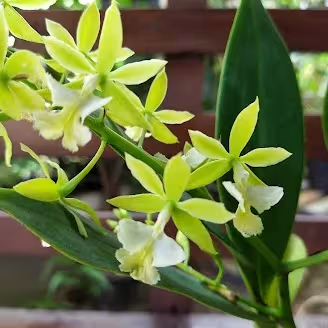
Description
Growing requirements
Caularthron bicornutum is a member of the Orchidaceae family, natively found as an epiphyte in the tropical forests of Central and South America. This culture is well-adapted to high-humidity coastal environments where it thrives on the trunks and branches of tall trees.
The cultivation of this species requires high-intensity light to promote healthy growth and flowering. In controlled environments, growers should provide bright, filtered sunlight. Insufficient light is the primary cause of vegetative-only growth and failure to produce inflorescences.
Temperature requirements are consistent with tropical conditions, favoring daytime temperatures between 22°C and 28°C. A distinct nocturnal temperature drop is recommended to simulate the natural environment and stimulate the plant's metabolic processes.
The substrate must provide excellent drainage and aeration, as the roots are highly susceptible to suffocation in dense, water-logged media. Large-grade fir bark or specialized orchid mixes are preferred to maintain the necessary oxygen levels around the root zone.
Humidity management is essential, with levels ideally maintained between 70% and 80%. Proper air movement is equally important to prevent stagnant air, which can lead to rapid fungal proliferation, especially in environments where humidity is high.
Main diseases and pests
The primary threats to Caularthron bicornutum involve bacterial and fungal infections, particularly those affecting the root system and the pseudobulbs. Over-watering combined with poor ventilation is the most common cause of root rot and soft rot.
Pests such as scale insects and mealybugs frequently target this orchid, sheltering in leaf axils or under the dry sheaths of the pseudobulbs. These pests sap the plant of vital nutrients and can facilitate the entry of secondary viral or fungal infections.
Spider mites are a significant concern during periods of low humidity or high temperatures. These arachnids colonize the undersides of leaves, causing chlorosis, stippling, and eventual leaf abscission if not managed with appropriate acaricides.
Management of these threats relies on integrated pest management (IPM) practices, including the use of systemic insecticides and regular cleaning of the growing area. Horticultural oils may be used for mild infestations but must be applied with caution.
Viral diseases represent an incurable risk to the collection. Strict hygiene protocols, including the sterilization of cutting tools between plants using high-temperature or chemical disinfectants, are necessary to maintain the long-term health of the crop.